
Home>Services>Water Heater Repair
Water heater repairCold showers or a puddle at the tank? Water heater repair for Avondale homes, gas or electric
The shower runs cold, or there is a puddle around the base of the tank. Call (623) 323-3182 and describe what you see. Dispatch matches the job to an independent plumber who handles water heater repair in Avondale, finds out whether a part failed or the tank itself is done, and explains the options before any work starts.
now
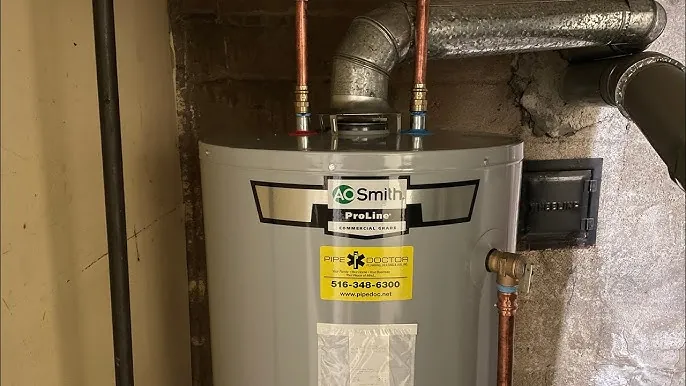
When you call, the dispatcher asks four things. Is the heater gas or electric, is water leaking, is there any hot water at all, and does the tank make noise? Those answers decide which plumber takes the job and what that plumber loads onto the truck. Dispatch hands the call to a plumber who covers Avondale, and that plumber confirms the visit with you directly.
The plumber, not the dispatcher, diagnoses the heater and does the work. Plumbers on this site are independent, so the repair plan and the paperwork come from the plumber who visits.
Most visits end one of three ways. A single part is swapped, the tank is flushed and tested, or the plumber tells you the tank has reached the end and you move on to replacement. The sections below help you tell which of those you are facing before the plumber arrives.
Gas or electric: what changes in the repair?
The fuel decides which parts can fail. A gas water heater repair usually involves the burner assembly, the pilot or igniter, the thermocouple, the gas control valve and the flue. Electric water heaters fail at the heating elements, the thermostats and the high limit switch. The tank, anode rod, drain valve, dip tube and relief valve are the same on both, so leaks and sediment trouble look alike.
Tell the dispatcher which fuel you have. If you can reach the data label on the side of the tank, read out the capacity and the serial number, which usually encodes the build date. That label also helps the plumber judge whether a replacement part is realistic or the unit is too old to justify one.
| What you notice | On a gas heater | On an electric heater |
|---|---|---|
| No hot water at all | Pilot out, failed igniter or thermocouple, or a gas control valve fault | Tripped high limit switch, dead element, bad thermostat, or no power reaching the unit |
| Warm water that turns cold fast | Sediment on the tank floor, a dirty burner, or a thermostat set too low | One of the two elements burned out, or scale burying the lower element |
| Popping or rumbling | Hardened sediment under the burner area | Scale crusted around the lower element |
| Pilot will not stay lit | Worn thermocouple, draft trouble at the flue, or a supply problem | Does not apply |
On an electric unit, a plumber tests each element and thermostat with a meter before replacing anything, because a tripped reset button usually points to a part that overheated. On a gas unit, a pilot that dies or an igniter that clicks without lighting is often a small, replaceable part.
Is the leak a fitting or the tank itself?
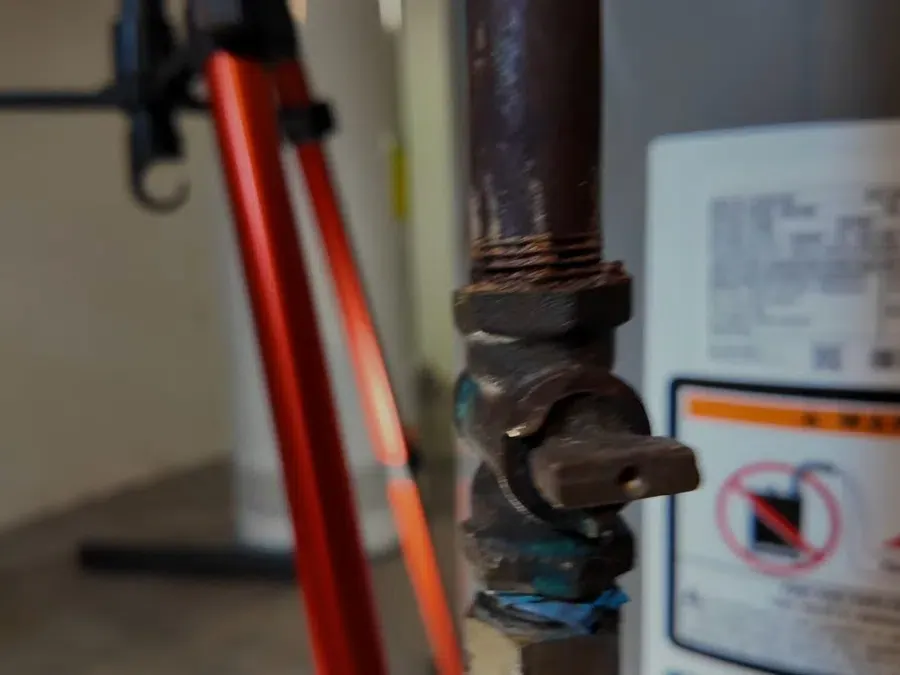
Water on the floor does not always mean a failed tank. Most water heater leaks start small and come from the cold inlet, the hot outlet, a union, the drain valve or the relief valve discharge pipe. Those are leaks around the unit, and a plumber can usually fix them in one visit. Telling a leaking tank versus leaking fitting apart matters, because one is a repair and the other is not.
A leaking tank looks different. Water seeping from the steel shell, a seam or the base means the inner liner has corroded through, and nothing patches that. The plumber will dry the tank, check each connection, and watch where the first drop forms. If the tank is leaking, the conversation moves from repair to replacing the unit.
Water heater leak repair is worth doing when the source is a valve, connector or fitting. If your water heater is leaking from the body, close the cold supply valve above it, stop using hot water, and keep the floor dry. Stay clear of an electric unit if water is standing around it.
Heater leak or supply side?
A leak at the heater is yours to fix. Water appearing near the meter, along the street or out in the yard is a separate question, and your water bill names the utility to call about it. Liberty Utilities bills a pocket of northwest acreage, and the City of Avondale water utility bills nearly everyone else.
If the heater is dry but the floor or a wall is wet, the source may be a hidden line, and leak detection is the next stop.
Sources: City of Avondale 311. Checked 2026-10-30.
Is scale from hard water behind the problem?
Avondale tap water is hard, so minerals drop out as scale each time it is heated. In a tank that scale settles into a layer on the floor and coats elements and burners. The heater then works harder for the same hot water, and you may hear popping as water gets trapped under the crust.
Water heater maintenance is mostly flushing. The plumber drains the tank to carry sediment out, tests the relief valve, and looks at the anode rod that protects the tank wall. How often to repeat that depends on the age of the unit and how much scale comes out, so ask what interval fits yours. If scale keeps returning to your taps and fixtures too, water softening is a separate decision worth raising.
More on sediment and noise
Why is the heater popping or rumbling?
Scale holds a thin layer of water against the heating surface. That water flashes to steam and bursts through the crust, which makes the noise. A flush can quiet it, though a tank with heavy buildup may stay noisy even after cleaning.
Why does a flush sometimes not clear the tank?
Sediment can pack around the drain opening, and old drain valves clog or snap when forced. A plumber has the tools to clear the opening and replace a worn valve. If the tank has hardened scale, the plumber may tell you a flush will not help.
Does scale shorten the life of a heater?
Yes. It insulates the water from the burner or element, stresses the tank floor and wears out elements sooner. Many tank heaters give out after about a decade, and heavy scale tends to pull that date closer.
Repair or replace: when is the heater worth fixing?
A failed part on a heater that is otherwise sound is usually worth repairing. An element, thermostat, igniter, thermocouple or relief valve is a small job on a healthy tank. The picture changes when the tank itself has failed, when the heater is well past a decade old, or when repairs keep coming back every few months.
Ask the plumber three things. What failed, what does the rest of the tank look like, and how does repairing it compare with replacing it? A solid answer names the part and shows you the evidence, such as a rusted element or a wet base. If replacement wins, look at a like-for-like tank or a move to tankless units, which the plumber can explain.
Tank water heater repair also has limits you should hear about up front. Parts for older models can be hard to find, and a plumber may advise against spending on a unit that is close to failing.
Check the license before you sign
Arizona requires a licensed contractor once work passes a set dollar threshold. The Registrar of Contractors lets you search a contractor and see whether the license is current, so run that search on the day you agree to anything. The dispatcher can give you the license details for the plumber who is coming.
Sources: Registrar of Contractors license search. Checked 2026-10-30.
What happens after you call, and what can you check meanwhile?
If you want a plumber for water heater repair, the call is the whole first step. Tell the dispatcher if water is spreading or the household has no hot water, because emergency water heater repair and same-day requests are matched to plumbers differently from a scheduled visit. The dispatcher cannot promise a time, but the plumber will confirm one.
Describe the symptom
Give the fuel type, where water shows up, whether any hot water remains, and any noise you hear.
A plumber takes the job
Dispatch routes it to an independent plumber who contacts you to set up the visit.
The plumber finds the cause
Expect a look at the data label, the supply and shutoff valves, each fitting, the base of the tank, and then the burner or the elements.
You hear the finding
The plumber names what failed, says whether repair makes sense, and lays out the next step before starting.
- Find the cold water shutoff on the pipe above the heater and learn which way it closes.
- Note whether the hot water is gone entirely or just runs out quickly.
- Dry the base and the pipes above it, then watch for the first spot where water returns.
- On an electric unit, look at the panel for a tripped breaker, but stay out of the area if the floor is wet.
- Keep the relief valve discharge pipe clear and unobstructed.
A gas odor near the heater means you step outside first, then phone 911 or the gas utility. Leave switches alone and do not try to relight a pilot. The relief valve is a safety device, so never cap, plug or tighten shut a pipe that drips from it. A plumber needs to find out why it opens.
Questions that do not fit a phone call can go through the contact page.
Pricing for repair and replacement work lives on the cost page, not on this page.
What if my electric water heater only gives lukewarm water?
Say the shower stays warm for a few minutes and then turns cold. On an electric tank that often means the lower element or a thermostat has failed, or scale is smothering the element. A plumber tests each part with a meter before swapping any of them. Do not open the access panels yourself, because live wiring sits behind them.
How long should a hot water tank last in hard water?
Many tanks wear out somewhere around ten years, and scale from hard water can pull that earlier. Nothing here needs action tonight if the heater works. Do book a visit if you notice rumbling, rust-colored water or damp spots at the base. A plumber can flush the tank, check the anode rod and tell you how much life is left.
Can a water heater be changed or moved during a remodel?
Yes, but ask a plumber before walls or cabinets go up. A heater boxed in too tightly shows scorched paint, rust at the base or a pilot that keeps blowing out. Those signs come from poor clearance, venting or access to the valves. Moving a unit means rerouting water lines and the gas line or circuit, so have the plumber review the plan first.
Who fixes water heaters: a plumber or an electrician?
Pick a plumber when the problem involves a leak, the gas line, the shutoff valves or the tank, which covers most failures. An electrician fits only when the fault sits in the breaker or circuit that feeds an electric unit, and a plumber will usually tell you if that is the case. Dispatch routes water heater calls to plumbers.
Ready to have a plumber look at the heater?
Call (623) 323-3182 and say whether the unit is gas or electric and what you are seeing. Dispatch connects you with a plumber who diagnoses the heater and explains your options.
Call (623) 323-3182