Home>Services>Commercial Plumbing
Commercial plumbingBusiness Plumbing Problems? Commercial Plumbing in Avondale
A restroom backs up in a plaza unit, a kitchen floor drain overflows, or the water department keeps reporting a leak on your account. Commercial plumbing covers the water, drain and heating systems in shops, restaurants, apartment buildings and light industrial space. Call (623) 323-3182 and our dispatch line routes you to a plumber serving Avondale. Dispatch confirms on the call whether a plumber is available for your building type and size.
now
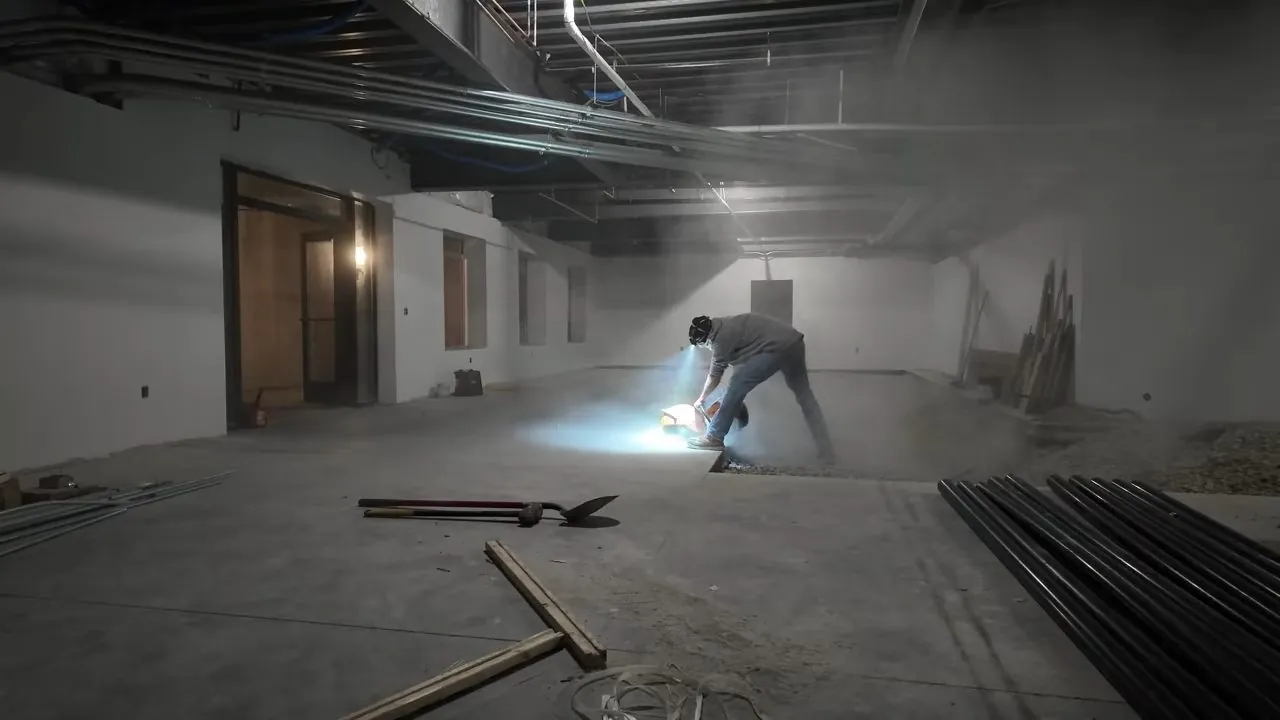
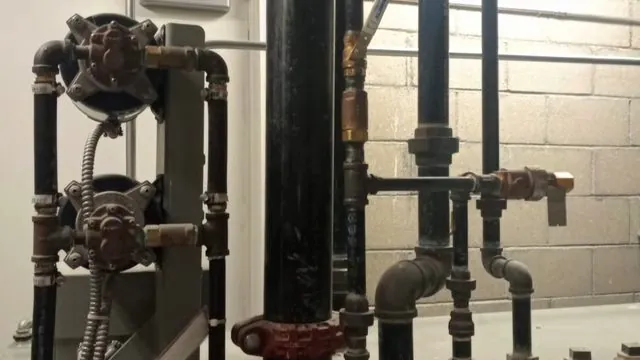
Commercial plumbing is work on the supply, drain, waste and water heating systems of any building that is not a single-family home. Offices, restaurants, warehouses, apartment buildings and other multifamily properties all count. So do light industrial units and cold storage rooms, where the same pipes carry heavier loads and the building cannot simply close for a day.
The difference from a house is scale and obligation. A commercial building has many fixtures, drains that carry grease or process water, and tenants, customers or inspectors who notice a failure fast. A plumber who handles multifamily and commercial plumbing reads the building as one system instead of one leaking fixture.
When you request commercial plumbing service, the dispatcher asks about the building, its size and the problem, then confirms whether a plumber can take it. Plumbers are independent, so availability can differ between a small office and a large complex. The sections below help you sort the job before you call.
Is this a repair, a tenant improvement or a maintenance plan?
The answer decides what you tell dispatch and what the plumber brings. A repair fixes a failure that already happened. A tenant improvement changes the plumbing for a new layout, a new tenant or a new kitchen line. A maintenance plan schedules recurring visits so slow failures are caught early. Say which one you mean in your first sentence on the call.
| Property type | Typical call | What to tell dispatch |
|---|---|---|
| Restaurant or commercial kitchen | Grease device pump-out, floor drain overflow, backed-up prep or dish sinks | Which fixtures are affected and whether the grease device is indoors or outside |
| Apartment or multifamily building | Water surfacing in a parking lot, repeated backups on a shared stack, tenant fixture failures | How many units are affected and whether one stack or the whole building is involved |
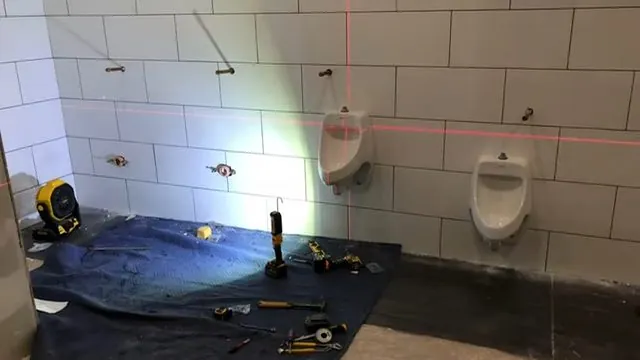
| Office or retail unit in a plaza | Restroom stoppage, urinals that will not flush or drain, a leaking supply line | Which suite, and whether neighboring units share the line |
| Warehouse or light industrial unit | Floor drain backup, process drain trouble, a leak under the slab | Where the drain leads and what normally goes into it |
| Cold storage room | Drain lines near the cold rooms, hot water supply problems, leaks that threaten stored goods | Which room is affected and whether product is at risk |
Maintenance contracts. A plan with a commercial plumbing contractor usually sets a schedule for the items that fail slowly: grease device pump-outs, drain jetting, water heater flushing and exercising shut-off valves. Ask what each visit covers, how often it happens and what the plumber does when something fails between visits. Commercial plumbing maintenance pays off when the schedule matches how the building is used, so a busy kitchen needs more visits than a quiet office. Raise recurring work on the call, since availability depends on the building type and size.
What a maintenance visit can include
Drains and grease devices
The plumber jets or cables the lines that carry the heaviest load, then pumps out the grease device if the building has one. For a stubborn blockage, a camera shows whether the pipe is damaged or only coated. Commercial drain cleaning on a schedule catches buildup before it becomes a weekend overflow, so ask what interval fits your kitchen or restrooms.
Water heaters
A commercial water heater repair call often starts with the relief valve, the thermostat and sediment in the tank. A flush on a schedule slows the sediment that shortens tank life. If the unit has failed, water heater service explains how a plumber decides between a fix and a replacement.
Shut-offs and restroom fixtures
Valves that have not moved in years often will not close when you need them. A visit can include turning each main and branch valve, checking flush valves and looking under sinks for slow weeping. Write down where each shut-off is and which area it controls, so any plumber can find it fast.
Which kitchen drains connect to the grease trap or interceptor?
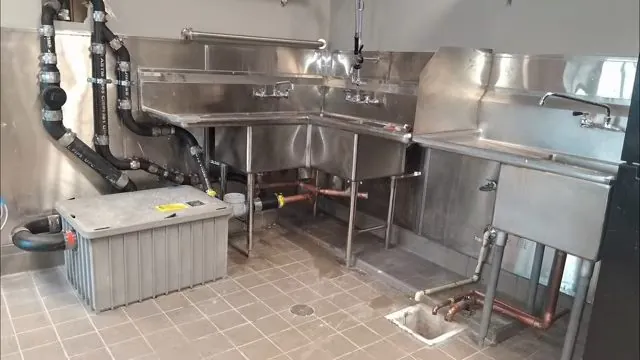
A kitchen drain that backs up or smells of rancid grease often points to a full or overloaded grease device. The City describes two types. An indoor hydro-mechanical trap sits close to the fixtures, and an outdoor gravity interceptor is a buried unit outside the building. Ask the plumber which one you have before you book a pump-out.
Commercial kitchen plumbing sends only certain drains to that device. The City lists three-compartment sinks, floor drains and mop sinks as process drains that connect to it. Restroom waste goes to the City main separately. If a restroom backs up while the kitchen drains run fine, the grease device is not the likely cause, and the plumber will look at the building line instead.
Who the City says grease interceptors apply to
Avondale's commercial pretreatment guidance applies grease interceptors to food service establishments, laundries, service stations, auto repair shops and car washes. Where the regulations apply, a General Wastewater Discharge Permit goes with the device. If you run one of those businesses, read the guidance before the plumber arrives.
Sources: City of Avondale commercial pretreatment guidance. Checked 2026-10-30.
When you need grease trap service, say whether you want a pump-out or a repair. A pump-out empties the device. A cracked baffle, a damaged lid or a failed inlet is a repair. If the line downstream is also slow, drain clearing and snaking covers how a plumber clears it without harming the pipe.
A greasy smell or a gurgling floor drain between scheduled pump-outs is the signal to call early. Waiting lets grease reach the building line, where it hardens and is far harder to remove than it is in the device.
Do the business license and the pretreatment survey come first?
If you are opening a business, starting a tenant improvement or building new, the City wants an Industrial Pretreatment Survey on file. Avondale Municipal Code 24-105 applies it to nonresidential businesses, new businesses, tenant improvements and new construction. Expect that form before sewer-related work begins, and ask the plumber whether it has been filed.
The City business license is a separate item. It generally applies to a fixed business location, such as a restaurant, a warehouse or a manufacturer. It does not replace the state contractor license. Ask whether the contractor holds the City business license where one applies, then check the state license on its own.
Confirm the survey
If the job is a new business, a tenant improvement or new construction, ask whether the pretreatment survey was filed before any sewer-related work starts.
Ask about the business license
Ask the contractor whether it holds the City business license where one applies to its location.
Look up the state license
Search the Registrar of Contractors site and check that the license is current on the day you sign. State law sends bigger jobs, and any job needing a city permit, to a licensed contractor. Ask the dispatcher for license details.
Where the rules are posted
The City posts the business license and pretreatment program pages, and the state posts its contractor check. Read them before you sign anything, because the form you need depends on the scope of the job.
Sources: City of Avondale business license page; City of Avondale pretreatment program; State contractor license check (Registrar of Contractors). Checked 2026-10-30.
This page cannot say which permits or forms your job needs. The City and the Registrar of Contractors decide that, and the answer changes with the scope of the work. A plumber who has seen the space can tell you what applies.
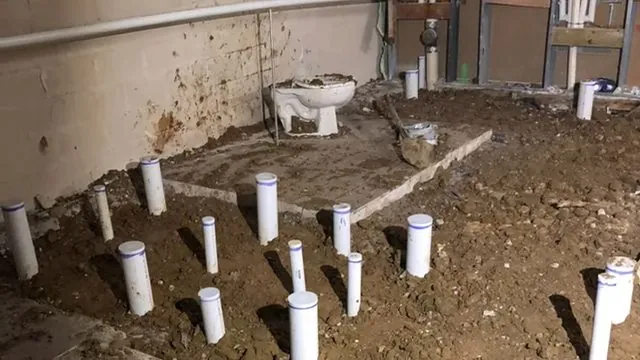
What should you have ready when a business plumbing problem cannot wait?
Urgent calls for a business are handled on the same line as any other, and the details you give decide how fast the dispatcher can place the job. Having the facts ready shortens the call and helps the plumber bring the right equipment on the first trip.
- The street address, the suite or unit, and whether you own or lease the space
- The building type, such as a restaurant, apartment complex, warehouse or cold storage unit
- What is happening: an overflow, a leak, no hot water or a blocked restroom
- Whether water is still running and where the shut-off valve is
- Whether the problem is inside the building, in the parking lot or yard, or at the street
- Who can give access, such as a manager or property agent, and any gate arrangements
- Any notice from the water department about a possible leak
Hidden water is common in larger properties. A report from the water department, a wet spot in a parking lot or a warm patch on a warehouse floor each suggests a pressurized line is losing water. The plumber narrows the spot with listening equipment, and a big site may need a survey of the whole property instead of one spot check. Leak detection and repair explains how that search works.
Next, find out whose pipe it is. Where the line sits decides who acts. Pipe in the street is the City's to maintain, and the owner takes over at the property line. A break on your side calls for a plumber, while a street-side problem goes to the City through 311. Burst pipes, slab leaks and a blocked industrial sewer line are all private-side jobs once they are past that line, and sewer line replacement covers the sewer case.
If you smell gas, get everyone outside, then report it to 911 and the gas utility. If water has reached electrical panels, outlets or equipment, stay clear and call 911 or a qualified electrician. Closing the main water valve is a safe step. Do not attempt any other repair yourself.
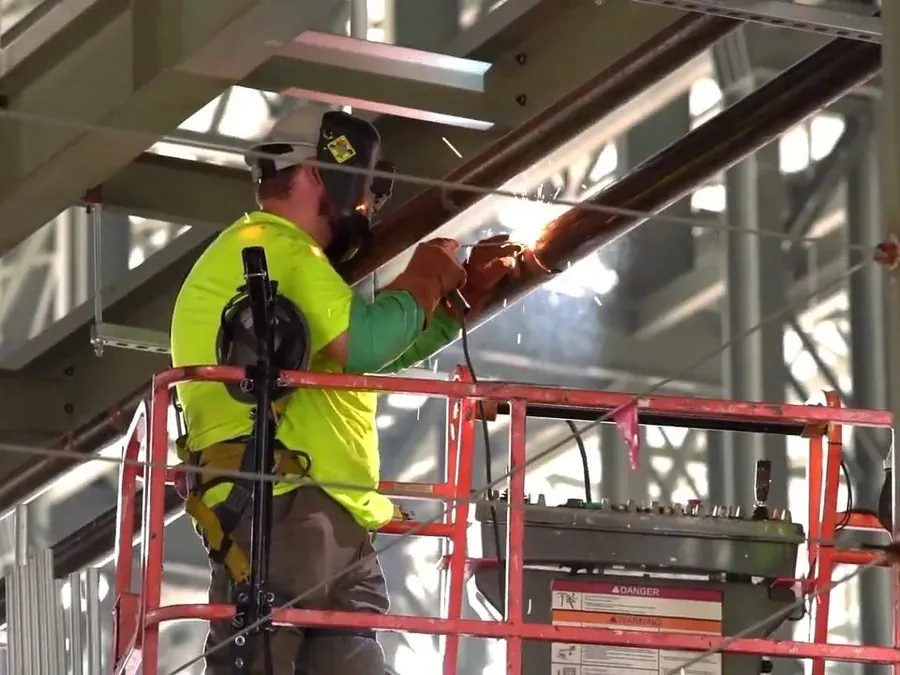
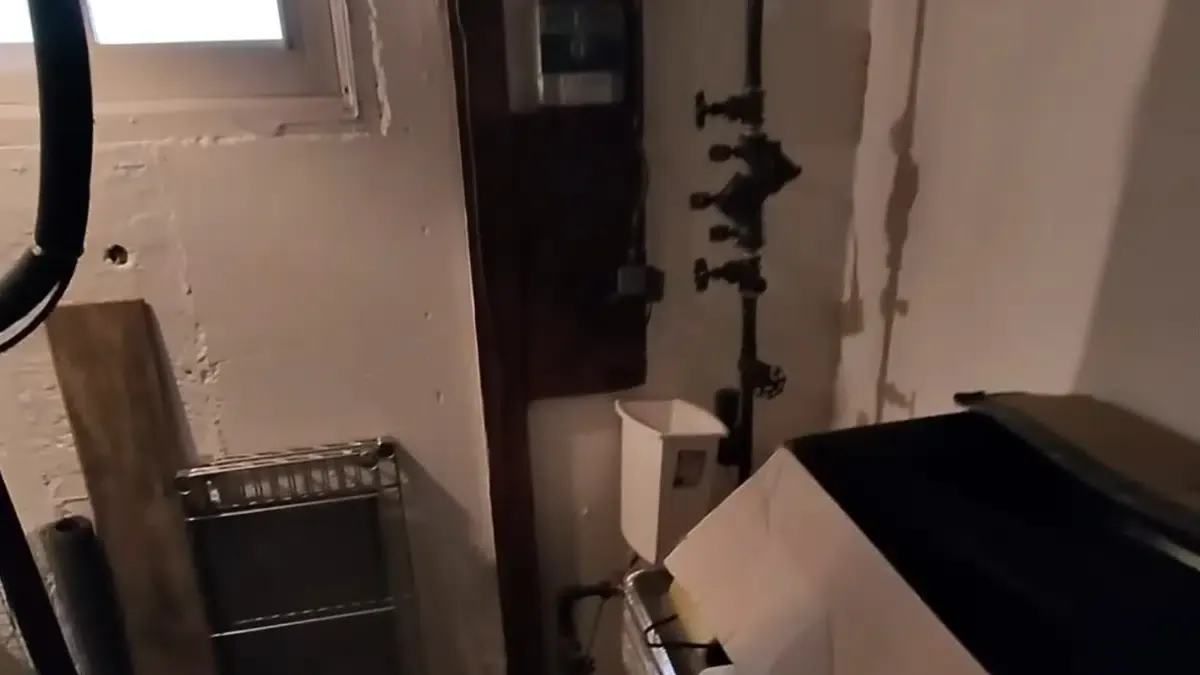
For what drives the final bill on a business job, see how plumbing costs are explained on the cost page.
Do you take calls for apartment buildings and light industrial space?
Yes, the network takes commercial calls, including apartment and multifamily properties, light industrial units and cold storage. Dispatch confirms on the call whether a plumber is available for your building type and size. Tell the dispatcher how many units or fixtures are affected, because a single leaking tap and a building-wide backup are very different jobs and may go to different plumbers.
How do I tell if my restaurant has an indoor trap or an outdoor interceptor?
Look at where the kitchen drains leave the building. A compact unit under or beside the sinks is an indoor hydro-mechanical trap, while a buried tank with access lids outside is a gravity interceptor. If you cannot tell, ask the plumber to identify it on the first visit. Knowing the type helps the plumber plan the pump-out and bring the right equipment.
Do I need the pretreatment survey before a tenant improvement?
Usually yes. Avondale Municipal Code 24-105 requires nonresidential businesses, new businesses, tenant improvements and new construction to complete the City Industrial Pretreatment Survey. Expect the form before sewer-related work, and ask the plumber whether it has been filed. The City's pretreatment program page explains the process and who to contact.
Who is responsible for a broken water line at my business property?
It depends on where the break is. The City looks after the street portion of water and sewer lines, and the owner is responsible from the property line inward. A private-side break needs a plumber. Report a street-side problem to the City through 311. If a lease is involved, check which party handles the building's lines.
How do I check that a commercial plumber is properly licensed?
Use the Arizona Registrar of Contractors search to confirm the license is current, and do it on the day you sign. Larger jobs, and any work needing a city permit, must go to a contractor whose license is current. You can also ask the dispatcher for license details, and ask whether the contractor holds the City business license where one applies.
Need a plumber for your building?
Call (623) 323-3182 and describe the building, the problem and whether water is still running. Dispatch will confirm whether a plumber is available for your property.
Call (623) 323-3182