Home>Services>Faucet, Toilet & Fixture Repair
Fixture plumbingFaucet, Toilet and Fixture Repair for Avondale Homes
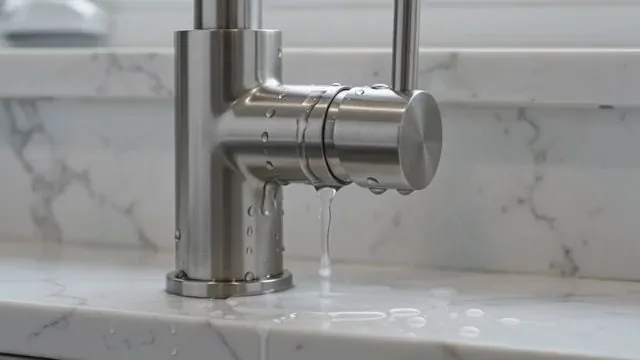
The faucet drips all night, the toilet hisses after every flush, or a puddle keeps showing up under the vanity. Small fixture leaks waste water every hour and rarely fix themselves. Call (623) 323-3182 and our dispatch line routes you to a plumber who handles faucets, toilets, tubs, showers and sink plumbing in Avondale. Tell the dispatcher which fixture it is and where the water appears.
now
Most people notice the problem by sound or by a damp spot. A toilet refills by itself at 3 a.m. A kitchen faucet keeps dripping after you turn the handle hard. A cabinet floor feels soft. Each of these points to a specific part, and many of those parts are quick to swap once someone has the fixture open.
This page walks through the common fixture jobs in the order people usually hit them: faucets, bathroom sinks, toilets, tubs, showers and the kitchen sink. Along the way it explains how to decide between repairing and replacing, which valve to close, and what to tell the dispatcher so the right plumber arrives with the right parts.
Avondale faucet repair: fix the drip or replace the faucet?
A faucet that drips from the spout usually has a worn cartridge, washer or seat. A faucet that leaks around the handle or base usually has a failed O-ring or packing. Both are small repairs on a newer faucet from a known brand. On an old faucet with a pitted finish and parts that are no longer sold, replacement makes more sense than another round of repair.
Faucet replacement is also a normal request when you want a different style or a pull-down sprayer. Faucet installation sounds simple until the nuts under the basin will not turn. Corroded connectors are the reason many people who start the job themselves end up calling a plumber, and the plumber has basin wrenches and penetrating tools that are hard to improvise.
Hard water and fixture wear
The City describes Avondale tap water as hard, and scale builds up in water heaters and fixtures. A faucet aerator that sprays sideways, a cartridge that grinds or a handle that sticks is often scale, not a defect. Ask the plumber whether a flush, a descale or a treatment system fits your fixtures.
Sources: Avondale water quality report (2017). Checked 2026-10-30.
- Drip from the spout when the handle is off: cartridge, washer or seat.
- Water around the handle: O-ring or packing nut.
- Water at the base of the faucet: a loose mounting nut or a cracked body.
- Low flow from one faucet only: a clogged aerator, scale or a partly closed supply valve.
Bathroom sink and vanity plumbing: where is the water coming from?
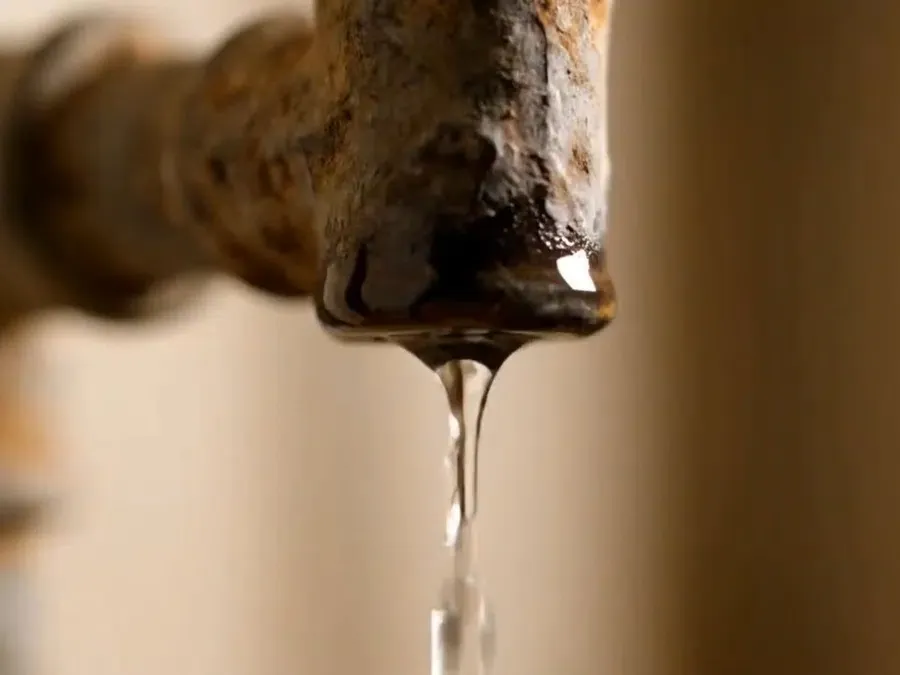
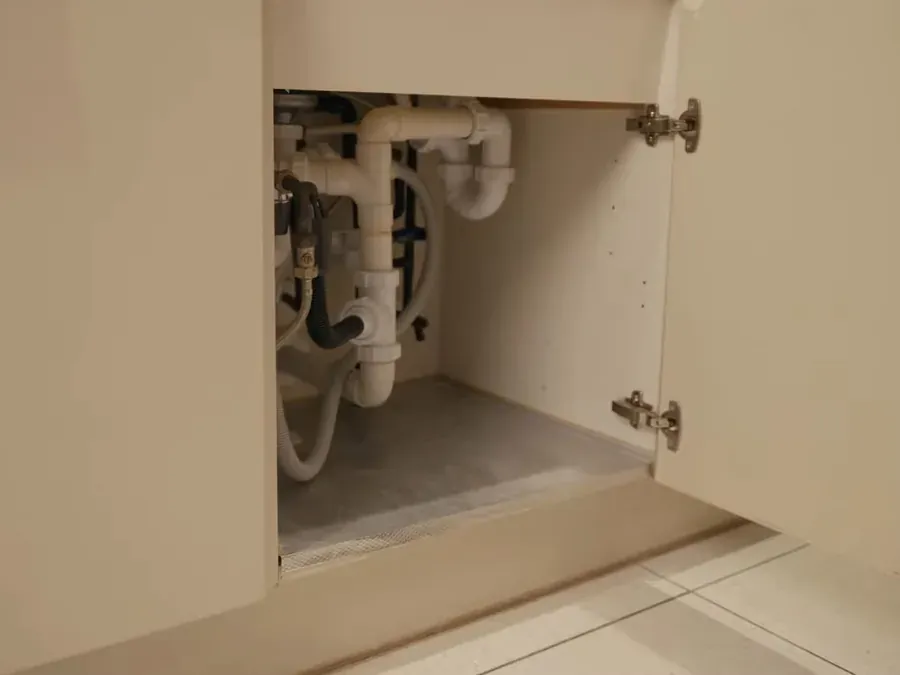
A damp vanity floor has several possible sources, and guessing wrong wastes a visit. Dry the cabinet, lay a paper towel on the bottom, run the faucet for a minute and look. Drips from the faucet connections, the flexible supply lines, the shut-off valves or the drain trap each leave a different pattern. Water that only appears when the sink is full points to the overflow or the drain, not the supply.
Bathroom plumbing for a vanity swap or a bathroom remodeling project follows the same logic. The plumber checks that the shut-off valves close fully, the supply lines are the right length and the trap lines up with the wall drain before the new top goes on. Old valves that will not close are worth replacing at that point rather than reusing.
Dry and watch
Wipe every pipe and fitting, then run the faucet with the drain open and trace where the first bead of water forms.
Fill and drain
Fill the basin and release it. A leak that only shows during draining belongs to the trap or the drain arm.
Report the location
Tell the dispatcher whether the leak is above the valve, below it or at the drain so the plumber brings supply lines, a trap kit or both.
Toilet runs, rocks or leaks at the base: which part has failed?
Toilet repair is mostly a matter of matching a symptom to a part. A flapper that no longer seals lets water slip into the bowl, so the tank refills again and again. A fill valve that sticks open sends water down the overflow tube. A seal under the bowl, called the wax ring, fails when the toilet rocks, and the first sign is often a stain on the floor beside it.
A phantom flush every few minutes is the classic sign of a silent leak. Drop a few drops of food coloring in the tank and wait fifteen minutes without flushing. If color shows in the bowl, the flapper is leaking. If the bowl stays clear but the meter moves, the problem is elsewhere in the house.
| What you notice | Likely part | Who handles it |
|---|---|---|
| Tank refills every few minutes | Worn flapper or chain length | Plumber, often a quick swap |
| Hissing after the tank is full | Fill valve or float setting | Plumber, quick swap |
| Water at the floor around the base | Wax ring or loose closet bolts | Plumber, toilet is lifted and reset |
| Drip at the wall behind the tank | Supply line or angle valve | Plumber, valve or line replaced |
| Weak or slow flush | Clogged rim jets or a partial clog | Plumber, or the drain team if it is a clog |
Check the meter before you assume it is the toilet
The City says most high water bills trace back to summer outdoor watering, and it lists toilets among the usual suspects. Shut off every tap and appliance, note the meter reading, then close the gate valve by the front yard spigot and look again. A dial that still moves means the leak sits on the house side, which is plumber work.
Sources: Avondale utility billing questions. Checked 2026-10-30.
A standing clog is a different job. If the bowl fills and will not drop, stop flushing and read about drain clearing and snaking. A running toilet that also wets the ceiling below is a leak repair question, and the plumber will trace it before opening the wall.
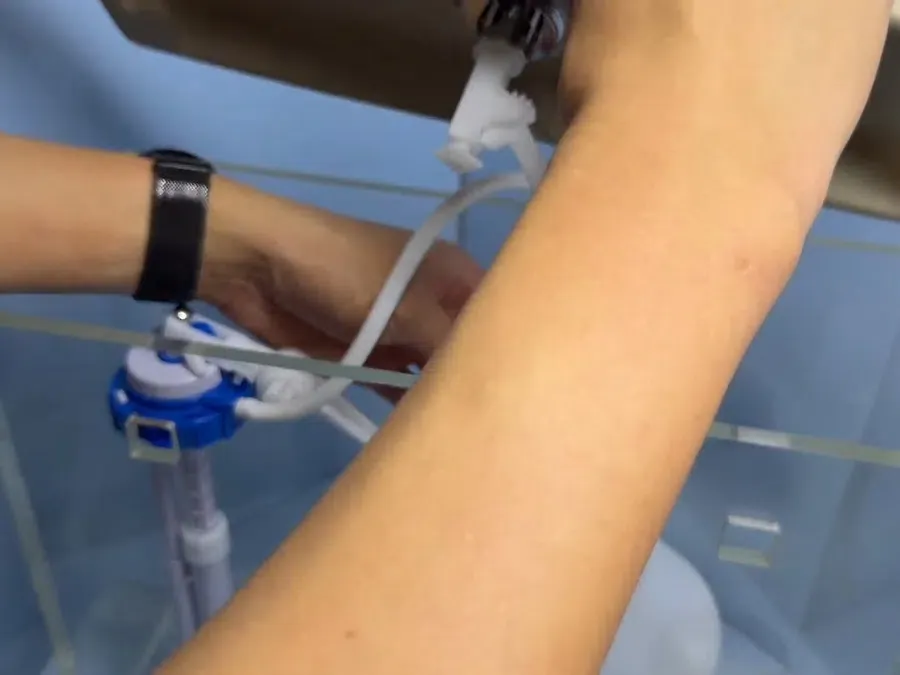
Cracked bowl or a toilet that will not stay sealed: time to replace it?
Replace the toilet when the porcelain has a crack, when the bowl rocks even after the bolts are tightened, or when repeated repairs no longer stop the leak. A crack in the tank or bowl cannot be patched. Water stains that return after a new wax ring suggest a warped flange or a damaged floor, both of which the plumber should see before a new toilet is set.
Toilet installation is a short job when the flange is sound. If you need a plumber to fit toilet hardware from a store you already visited, send the make and rough-in size, which is the distance from the wall to the center of the drain. A mismatch is the most common reason a purchase has to go back. Dual-flush models and toilet relocation fall under the same trade, and relocation needs drain work in the floor.
Extras that come up with a new toilet
Bidet seats and bidet fittings
A bidet seat needs a supply tee on the toilet valve and, for heated models, a grounded outlet within reach. The plumber handles the water side. An electrician handles any new outlet.
Dual-flush conversion
Dual-flush toilets use two flush volumes. They fit the same drain and supply but have different tank hardware, so tell the dispatcher if the new unit is already in the box.
Moving the toilet
Relocating a toilet changes the drain path and often the vent, so it is a larger job that may need a permit. See the licensing note near the end of the remodel section.
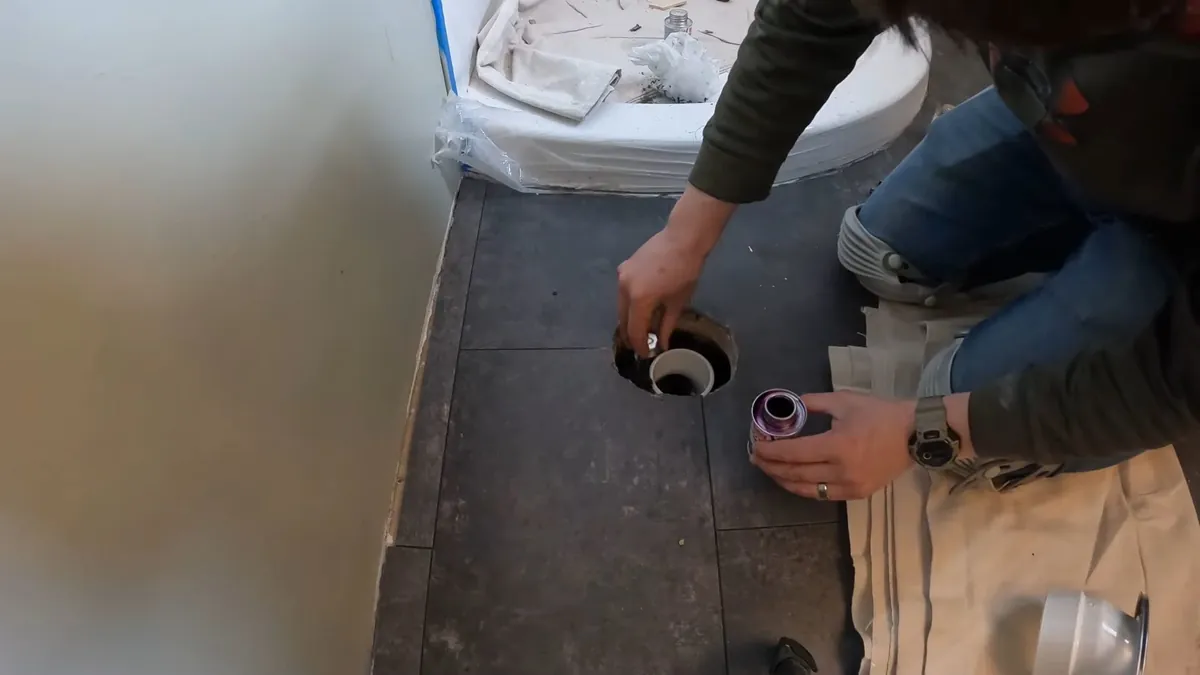
Bathtub dripping, slow or stuck: repair it or reinstall the tub?
A tub spout that drips after you shower, a diverter that will not send water to the shower head and a tub that holds water long after you pull the stopper are three separate faults. The first two are valve or diverter repairs. The third is a drain issue. A tub that is cracked, soft underfoot or leaking into the room below is a replacement question, and that is where bathtub installation begins.
If water will not shut off at all, close the fixture's shut-off valve if it has one, or the main shut-off for the house, then call. Jetted tubs add a pump and air lines, so say whether yours has jets. Bathtub plumbing in a remodel also means checking the drain height, the overflow and the access panel before the new tub is set.
Tell the dispatcher what the tub does when you turn the handle: drips, trickles, runs hot only or will not stop. That one detail separates a cartridge swap from a valve replacement.
Avondale shower repair: valve, head or something behind the wall?
A shower head that sprays unevenly usually needs a soak or a new head, a five minute job. Water that keeps dripping from the head after the handle is off points to a worn valve cartridge. A stain on a wall or ceiling next to the shower points to a failing connection or a cracked pipe behind the tile. Leaking shower valves need the wall opened from the back, from an access panel or through the tile.
Shower valve replacement is the repair people postpone, because the valve is buried in the wall. It is also the fix when the handle will not hold temperature or turns without changing the flow. If you want a plumber to fix shower trim only, say so, because trim kits are a separate and simpler job than a valve behind tile.
- Handle spins loosely or will not hold temperature: cartridge or valve.
- Constant drip from the head: cartridge, diverter or valve seat.
- Stained drywall on the other side of the shower wall: possible pipe or connection leak, call promptly.
- Cold water only or hot water only: cartridge, mixing valve or a water heater problem.
A tub to shower conversion, or new shower installation, changes the drain, the valve and often the wall framing. Plan on the plumber seeing the space first. If hot water is weak everywhere in the house and not only at the shower, the issue is probably the heater, so read about water heater problems.
Never force a corroded shut-off or valve handle. A stem that snaps can turn a drip into a flood. If a valve will not turn by hand, leave it and close the main shut-off for the house instead.
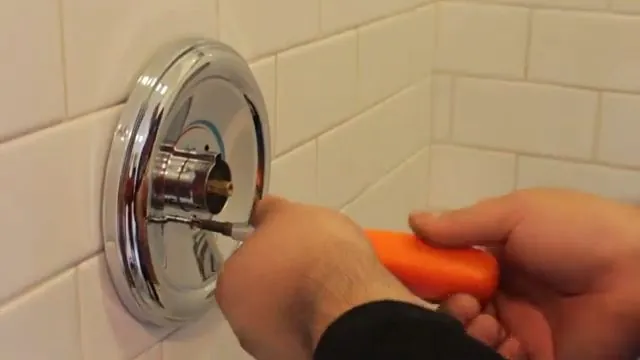
Is the leak under the kitchen sink the faucet, the trap or a supply line?
Kitchen plumbing leaks hide under a cabinet full of cleaning supplies, so the first sign is often a musty smell or swollen cabinet wood. Empty the space, dry everything and run the faucet, then the disposal and dishwasher, separately. Sink repair depends on which test produced the drip: the faucet, the sprayer hose, the drain basket or the trap.
The disposal is its own system. If water appears under the unit itself, see garbage disposal service. Appliance hookups for a dishwasher, washer or ice maker are routine fixture plumbing: each needs a shut-off valve, a braided supply line and a drain connection that is high enough to stop backflow into the machine. Mention the appliance when you call.
| Run this | Drip appears at | Likely fix |
|---|---|---|
| Faucet only | Flexible supply lines or faucet base | Replace line or tighten and reseal |
| Sink full, then drain | Trap, basket or slip nuts | Reseat or replace drain parts |
| Disposal running | Disposal body or its drain arm | Disposal repair or replacement |
| Dishwasher cycle | Dishwasher hose or air gap | Hose or fitting replaced |
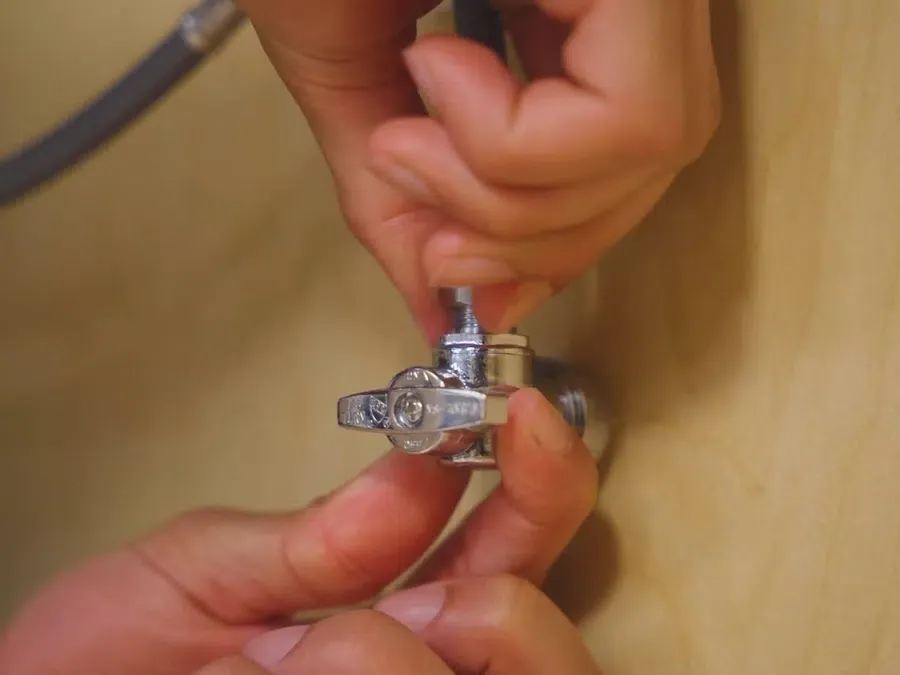
Which valve do you close, and when should it be replaced?
Nearly every fixture has its own shut-off, called an angle valve under a sink or toilet. Turn it clockwise until it stops. If water keeps flowing, or the valve drips from the stem, it is no longer doing its job and should be replaced. When it will not move, do not wrench it. Close the main shut-off for the house and call.
Remodel plumbing and new construction plumbing start with rough-in, which is the supply and drain lines set before walls close. A plumber sets those to the fixture's specified height and spacing, so have the fixture models picked first. For a larger renovation plumbing scope, Arizona requires a licensed contractor when the work passes the Registrar of Contractors dollar threshold or needs a municipal permit.
Before you sign for remodel work, search the contractor on the state Registrar of Contractors site and confirm the license is current that same day. Our dispatcher can give you the plumber's licensing details on request.
Smaller jobs that fit in the same visit
Outdoor faucet or hose bib
A hose bib that drips from the handle or spout needs a washer or a new bib. One that leaks inside the wall when the hose is attached needs to be replaced before water damages the wall. Mention it in the same call.
Specialty installs
ADU bathrooms, wet bars and laundry room plumbing use the same supply, drain and vent logic as a main bathroom, but they need more planning. Tell the dispatcher the room type and the number of fixtures.
For what drives the total on fixture work, read the plumbing cost guide.
How do I protect outdoor faucets, or add new ones?
Do a short checklist first. Remove hoses, close the indoor shut-off feeding each outdoor faucet, open the outdoor spigot to drain, then close it again. Add an insulated cover if a freeze is forecast. New hose bibs run off a supply line tapped by the plumber, and each one should have its own shut-off inside. Never leave a hose connected to a pressurized spigot for weeks, since a hidden leak can run unnoticed.
What should I do about a jetted tub that stopped working?
Stop using the jets now and let the rest wait for the plumber. A tub that holds water, drains and fills normally can still be used for a bath. A jet system that hums but moves no water, or a pump that trips the breaker, needs a plumber and sometimes an electrician. Do not open the motor access panel yourself, because the pump runs on household current and sits near water.
What if a supply valve is burst or broken?
If you can see water spraying or pooling at a valve, close the main shut-off for the house first. The cause is usually corrosion, a cracked body or a stem that snapped when someone forced it. Do not try to tighten a spraying valve. Once the water is off, open a faucet low in the house to relieve pressure and call dispatch to send a plumber to replace the valve.
How can I tell if a toilet is leaking silently?
Use food coloring in the tank, no flush, and wait fifteen minutes. If color seeps into the bowl, the flapper is not sealing and needs replacing. Toilets cause many quiet leaks because the water goes straight down the drain and never shows on the floor. A meter that moves with all fixtures off is the other clue, and the plumber can then isolate which fixture is responsible.
Send a plumber to the fixture that is leaking
Tell the dispatcher which fixture it is, where the water shows and whether the shut-off valve works. Call (623) 323-3182 and send the details online if you would rather write it out.
Call (623) 323-3182