Home>Services>Water Damage Restoration
Water removal and dryingWater in the house right now? Water damage restoration, drying and mold testing for Avondale, AZ
Water is spreading across a hallway, a ceiling is sagging, or a sink cabinet is soaked through, and you have to decide whether to call now or wait for morning. Call now. Water damage restoration here means getting the water out and the structure dry, and the clock starts when the leak does. Call (623) 526-3151 and our dispatch line routes you to a plumber serving Avondale who can stop the source and start extraction.
now
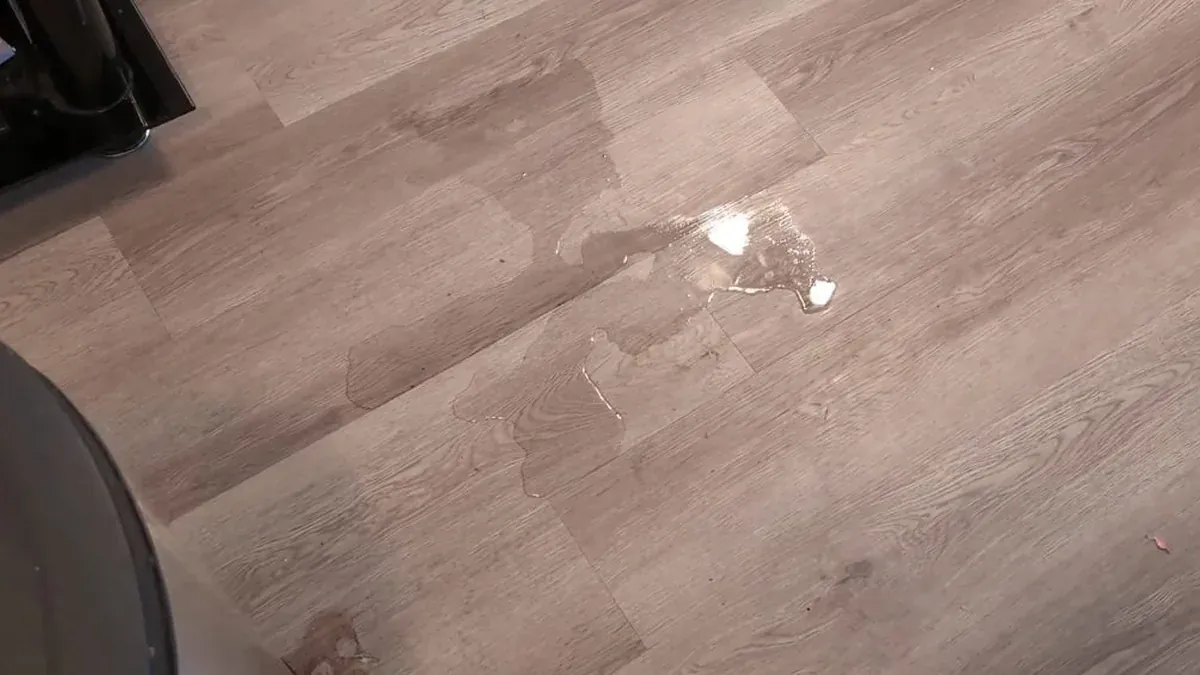
The decision is easy to state and hard to make at midnight: start drying now, or wait for a daytime visit. Wet drywall and carpet padding hold moisture within hours, and mold can begin on damp material within a day or two. Waiting rarely makes a wet house better, and it often widens the area that has to be dried or removed.
This page covers removal and drying only. That means pulling out water, drying the structure, cleaning up contaminated material and removing mold. It does not cover rebuilding walls, floors or cabinets afterward, so ask the plumber what the crew will do and what you will need a separate trade for.
Is a sewage backup a cleanup job, a repair job, or both?
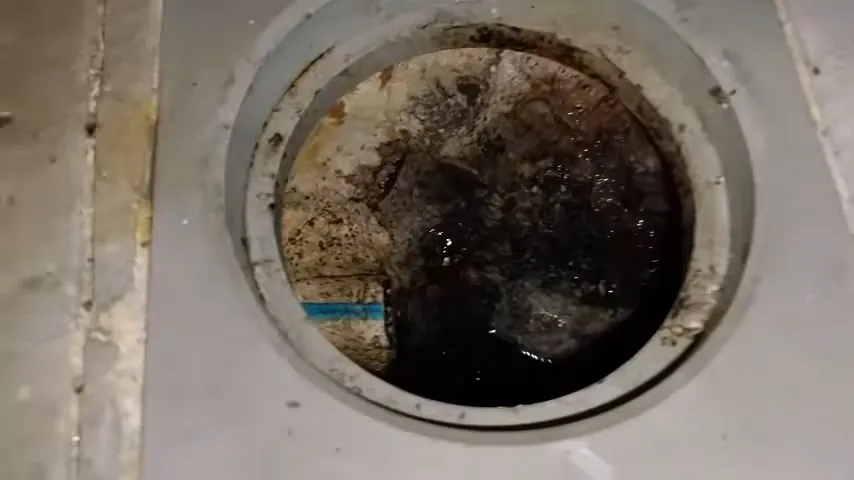
It is almost always both. Dark water coming up through a floor drain, toilets that gurgle when another fixture drains, or a foul smell in the lowest bathroom all point to a blocked or broken line. The plumber has to find and clear the cause, or the backup will repeat. Sewage backup cleanup then removes the contaminated water and anything porous that soaked it up, such as carpet, padding and the bottom of drywall.
Sewage cleanup in a basement or on a ground floor differs from clean water work because the material is a health hazard. Hard surfaces get cleaned and disinfected, while soft materials usually go in the trash. Ask the plumber to tell you before work begins which items will be removed and which can be saved.
Sewage carries bacteria and viruses. Keep children, pets and anyone with a weak immune system out of the wet area, do not run fixtures that drain into the line, and do not try to mop it up bare handed.
Who owns which part of the line
Public mains run under the street, and the City of Avondale maintains them as far as your lot boundary. Past that boundary the pipe belongs to you, and so does any break in it.
Sources: Avondale 311 knowledge base on pipe ownership. Checked 2026-10-30.
So if the backup comes from a break on your side of the boundary, a plumber handles it. If the fault is out in the street, tell the City by calling 311. For stubborn blockages see drain clearing, and for a collapsed or cracked main see sewer repair and replacement.
Get the extent of the water damage mapped before anything is torn out
Water travels. A pipe that failed in a kitchen wall can soak the floor, the cabinet base and the wall next door, and none of that shows on the surface at first. A full water damage assessment uses a moisture meter, and often a thermal camera, to trace where the water went. That map decides where drying equipment goes and which materials must be cut out.
A major loss at a vacant home needs the same careful look, only more so. Nobody noticed the leak for days or weeks, so the water may have reached framing, insulation and the ceiling below. The same applies when a condo association, a landlord or a shop owner needs a record of a commercial water damage event. For larger commercial jobs see business plumbing calls.
Salvageability is a fair question for that assessment: the technician should say which materials can dry in place and which have to come out, and why. Hardwood floors can cup, with the board edges rising, when moisture reaches them from a leak or from an air conditioner condensate line, and cupping is one of the signs the assessment looks for.
What to record for an insurer
- Photos and short video of the water and every wet surface before anything is moved.
- The date and time you found the problem, and when you shut the water off.
- A written list of damaged belongings, with model names where you know them.
- The plumber's findings on what failed and why, in writing.
- Moisture readings taken at the start and again as drying progresses.
- Names and dates for every call you make to your insurer.
Plumbers do not file the claim for you, so water damage insurance claims assistance really comes down to good records. Keep damaged items until the adjuster has seen them or approved their disposal. Policies differ on what they cover, so read yours or ask your insurer directly.
How fast does standing water need to come out?
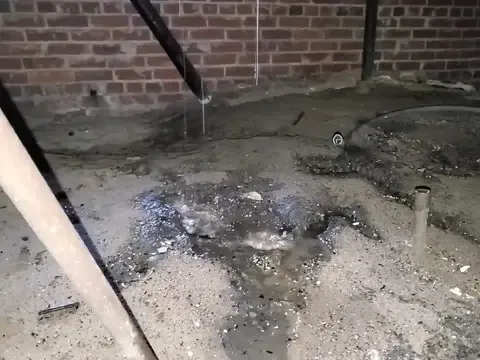
As fast as it can be done safely. Standing water soaks into drywall, baseboards and padding, and every hour makes the drying job longer. Water extraction uses pumps and wet vacuums to pull the bulk of it out first. This applies to a bathroom leak that has flooded the hallway, a ceiling that came down under the weight of trapped water, and a pipe that split under a sink.
A burst pipe under a sink looks small, yet the water can run for hours inside the cabinet and under the flooring. Emergency water mitigation means stopping the supply, pulling the water out, and checking behind the cabinet back and toe kick for trapped moisture. Ask the plumber which of these steps happens on the first visit and which waits for a follow-up.
Do not step into standing water if outlets, cords or the electrical panel could be wet. Step back and call 911 if sparks fly or something smells scorched. A qualified electrician must make the space safe before anyone enters it.
After extraction comes drying. Air movers push dry air across wet surfaces, and dehumidifiers pull moisture out of the air so it does not settle back into the walls. If rain flooding got into the house, you may wonder about air mover and dehumidifier rental from a store. Rented units can help with a damp room, but they do not tell you whether moisture is still inside the wall, which is why readings matter.
Floors need their own attention. Carpet and padding soaked by a neighbor's sprinkler or a leaking washer line can often be lifted, dried and saved if the water was clean and the response was quick. Hardwood is less forgiving: a washer valve break or a slow condensate line leak from the air handler can make boards cup, and dehumidified air drawn gently across the floor is how that is dried. Boards that stay swollen after drying may need to be pulled up.
Stop a failed pipe or kitchen leak from spreading water damage
Find your main water shut-off and turn it fully closed. It is usually near the street side of the house or at the water meter box, and closing it is the one step every homeowner can take safely. Then open a faucet at the lowest point to drain the line and ease the pressure. That single action keeps a burst pipe from turning into whole-house flooding.
Plumbing failures behind water damage tend to repeat. A pinhole in a copper line, a cracked supply hose behind a toilet, or a kitchen leak that you thought you fixed last month can all soak a bathroom or kitchen again. Frequent leaks causing water damage are a sign the plumber should look at the pipe, not only the wet floor. For tracing the source see locating a leak, and for aging lines that keep failing see repiping.
Dry the area while the plumber works on the pipe. Repairing the line and drying the room are two separate jobs, and leaving either one half done is how a small leak becomes a mold problem.
Is it a plumbing leak or something else?
Not every wet ceiling comes from a pipe. A stain that spreads only after rain points to the roof, and a damp closet wall near the furnace or air handler may be a clogged AC condensate line. Water in a yard bed or against the slab can come from irrigation. A roof or ceiling water leak from rain needs a roofer first, so the plumber's job is to rule the pipes in or out. If the AC unit has been dripping into a closet, the damp drywall can grow mold within days, so dry it and check it even after the drip is fixed.
One way to sort it out is to watch your water meter with every fixture off. If the dial still moves, the leak is in the plumbing. If it stands still, look at the roof, the AC drain pan and the sprinkler zones.
Flooded crawl spaces, basements and whole-house flooding
When water covers more than one room, treat it as a flood cleanup job and call a plumber to stop the supply first. Water damage and flood cleanup can start only once the water source is closed. A plumber for basement flooding looks for a failed supply line, a backed up drain or a failed pump, then pumps out the lowest areas. Crawl space flooding is sneakier: a broken irrigation backflow device can run for days under a house before anyone hears it.
Standing water in a crawl space also soaks insulation and the underside of the floor. Wet insulation holds water against the framing, so it normally comes out and gets bagged. Ask the crew to photograph the crawl space before and after, since you cannot see it yourself.
Storm, river and rain flooding follow the same order: stop what you can control, get the water out, then dry. Water that comes in from outside raises a separate question. Basement waterproofing and foundation inspection deal with how water gets in, and they are different trades from water removal. New cracks, sticking doors or sloping floors call for a qualified structural professional to inspect the foundation, not a DIY patch.
- Burst supply line or failed fixture hose inside the house.
- Backed up drain or floor drain that overflowed.
- A broken irrigation fitting or a damaged water service line: see water line repair.
- Rain or runoff entering at a door, window well or wall.
Musty smell, dark spots or fuzzy patches: when does mold need removal?
Dark spots on drywall, a musty smell that gets worse in the morning, or fuzzy growth on the back of a cabinet all suggest mold after water damage. Mold needs moisture and an organic surface, so a leak under a bathroom sink is a classic starting point. The growth often hides behind the cabinet back and in the drywall behind the trap.
Mold remediation here means removal. The crew contains the area, cuts out material that cannot be cleaned, such as soaked drywall and particleboard, and cleans hard surfaces. Mold treatment on its own, like a spray on top of wet material, does not solve the moisture problem. The leak must be fixed and the area dried, or the growth returns.
The same method applies to a few unusual jobs. Mold removal on an outdoor timber pavilion is a surface cleaning job on wood, and bird dropping cleanup requires dust control and protective gear because dried droppings release fine particles. Do not sweep either one dry. Rules on mold work vary, so put the question of which rules apply to the crew before work starts.
A musty odor in a closed space, such as under basement stairs, inside a closet or at a cabinet base, can point to hidden mold even when nothing is visible. Ask for a mold inspection before anyone disturbs the area.
Should you test for mold or just have it removed?
If you can see mold, removal is usually the next step, and testing may add little. A test tells you what type of spores are present or how many are in the air, but it does not fix anything. Testing makes more sense when you smell mold but see nothing, or when someone needs a record, such as a buyer, a landlord or a condo association asking for a mold assessment.
A smell under basement stairs is a good example. The odor may come from damp insulation, a slow pipe drip or old carpet, and an inspector can use a moisture meter to find the source before anyone opens a wall. An inspection can also answer the question of whether a material can be saved, since solid wood framing often can be cleaned while soaked drywall usually cannot.
| Situation | Testing helps when | Removal helps when |
|---|---|---|
| Visible growth under a sink | Rarely needed | You can see it and the area is wet or has been |
| Musty smell, nothing visible | A moisture check and sample find the hidden spot | The source is found and opened up |
| Condo or rental dispute | A written assessment is needed for the parties | The assessment shows growth to be taken out |
| After a flood in a closed room | Readings confirm the room is clear afterward | Wet porous material is still in place |
Whoever tests should not also be the one who removes, if you want an independent result. Ask the dispatcher whether the assessor and the remover are separate.
Fire, smoke and odor damage
After a fire, the water used to put it out becomes its own problem. Fire and smoke damage jobs involve removing soaked debris, pulling water out of floors and walls, and drying what remains. Do not enter a fire damaged building until the fire department says it is safe, and call a qualified professional if you suspect structural damage.
Smell is the part people underestimate. Odors from water damage come from damp materials and bacteria, while smoke odor settles into porous surfaces. Cigarette smoke odor removal in an apartment starts with cleaning the hard surfaces and replacing filters, then dealing with soft materials such as carpet and curtains. Ask the plumber whether odor work is part of the visit or needs a specialist.
Follow a water damage job from first call to final dry reading
Most jobs follow the same arc, and knowing it helps you ask better questions. Each step below can take longer on a large loss.
Call and describe the water
Tell dispatch what happened, how much water there is and whether it is still running. A plumber is then sent to you.
Stop the source
The plumber closes the supply or clears the blockage so no new water arrives.
Extract and open up
The crew pulls standing water and removes materials that cannot be dried, such as soaked padding.
Dry with equipment
Air movers and dehumidifiers run for days, with readings taken to see when the structure is dry.
Final readings
The crew confirms the moisture is back to normal before equipment leaves.
| Work | What it covers |
|---|---|
| Water extraction | Pumping and vacuuming standing water |
| Drying | Air movers and dehumidifiers until readings are normal |
| Contaminated cleanup | Sewage removal and disinfecting of hard surfaces |
| Mold removal | Containment, removal of unsalvageable material, cleaning |
| Smoke and odor | Cleaning and odor removal on affected surfaces |
| Not included | Rebuilding walls, floors, cabinets or roofs |
Look up the contractor license first
Big jobs and permitted work in Arizona must go to a contractor holding a license. The state's online search shows if that license is active today, so run it the day the contract is signed. Ask the dispatcher for the paperwork details before the visit.
Sources: State ROC license search guidance. Checked 2026-10-30.
Smaller questions about the visit
Can I stay in the house while it dries?
Often yes, for clean water losses, though equipment is loud and runs day and night. Sewage and mold work may mean staying elsewhere.
What if I rent or live in a condo?
Tell your landlord or association right away, since they may need to approve the work. You can still call dispatch to stop the water.
Do I need to move my belongings?
Move what you can safely carry out of the wet area, but leave heavy furniture alone and photograph it first.
For what drives the total on a water job, see the plumbing cost page.
What should I do in the first hour after a pipe bursts?
Shut off the main water valve, then stay out of any water near outlets or the panel. Turn off power only if you can reach the breaker without stepping in water. Take photos, move small items off wet floors, and call for a plumber. Do not use a household vacuum on standing water, because it is an electrical risk and it can spread contamination.
Do I call my insurance company or a plumber first?
Call the plumber first when water is still spreading, then contact your insurer the same day. Most policies expect you to limit further loss, and stopping and drying the water does that. Photograph everything before it is moved, and ask your insurer what they need. A [[faqs|full list of common questions]] has more detail.
How do I know whether a leak is from my plumbing or the roof?
Check the water meter with every fixture off. If the dial moves, the leak is in a pipe. If it holds still, look at the roof, the AC drain pan and irrigation. Stains that grow only after rain suggest the roof, and a damp closet near the air handler suggests a clogged condensate line.
Do I need a mold test or just removal?
If mold is visible, removal is usually the next step and a test adds little. Testing helps when there is a smell but no visible growth, or when a buyer, landlord or association wants a written record. Either way the moisture source has to be fixed first. Ask what rules apply to your job, since they vary.
Can a sewage backup be cleaned without repairing the line?
You can clean it, but the backup is likely to return if the cause is not fixed. A plumber needs to clear the blockage or repair the break, and the cleanup follows. Cleanup removes contaminated water and soft materials and disinfects hard surfaces. A fault out in the street belongs to the City, so phone 311.
Water is still coming in? Make the call now
Every hour matters when water sits in walls and floors. Call (623) 526-3151 and describe what you see so dispatch can send a plumber.
Call (623) 526-3151