Home>Services>Slab Leak Detection & Repair
Slab leak plumber dispatchWarm floor or a meter that will not stop? Slab leak detection and repair for Avondale, AZ homes
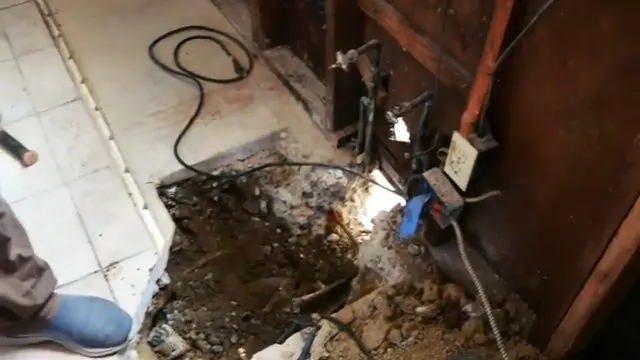
Every tap is off, yet the water meter keeps moving and one patch of floor feels warm. That pattern points to a slab leak, a break in a pressurized line under or inside the concrete. Call (623) 323-3182 and our dispatch line routes you to a plumber serving Avondale who can pinpoint the break before any concrete is cut. If water is spreading right now, close the main shutoff valve first, then call.
now
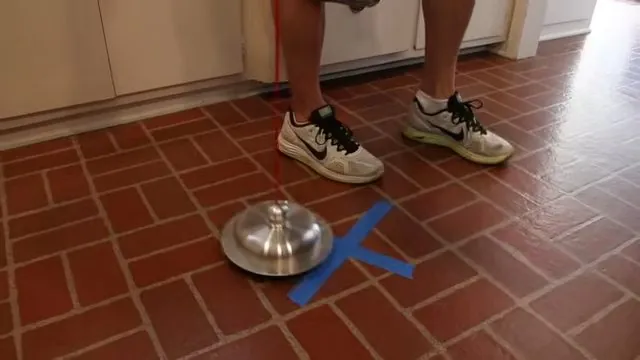
A slab leak sits on your side of the property line. The City of Avondale looks after the pipes in the street, but once a line reaches your lot, a break in it is yours to fix. That makes a leak under your floor a private plumbing job, so the next move is a plumber, not a city crew.
This page shows how to tell a slab leak from a fixture leak, how a plumber finds the break through the concrete, and how the repair choices differ. It also covers when to shut off the water, what to have in writing before any floor is opened, and where insurance fits.
Slab leak location: is the water under the floor or at a fixture?
A slab leak is a break in a pressurized water line that runs inside or under the concrete floor. The first job is to separate it from a dripping faucet, a running toilet or a weeping water heater connection, because those repairs are much smaller. A few quick checks usually show which kind of problem you have.
Start at the meter, with every tap and appliance off, and watch the leak indicator for several minutes. If it keeps moving, water is escaping somewhere. Close the main shutoff valve at the house and look again. A meter that stops means the loss is inside the house, while one that keeps moving points to the line between the meter and the house.
The meter test works the same way for suspected leaks in a slab, a wall or a yard line, which is why slab and hidden leaks often get sorted in one visit. If the meter points to the outdoor line, the supply line to the house is the closer match. If it points inside, the table and list below help you narrow it down.
| What you check | Points to a fixture | Points to the slab |
|---|---|---|
| Meter with all fixtures off | Stops once you close the stop valve under the suspect fixture | Keeps moving after every fixture is off |
| Where the water shows | Under a sink, behind a toilet, around the water heater | Through the floor, along the base of a wall, at the slab edge |
| Floor temperature | Normal | A warm spot, often from a leaking hot line |
| Sound | A drip you can trace to one spot | A hiss or trickle with nothing running |
Callers tend to describe the same handful of clues: water that seems to seep up through the concrete, a pool outside the house with no sprinkler running, or a trickle you can hear with the house silent. One clue alone proves little. Two or three together make a slab leak likely.
- A meter that moves when every fixture is off
- A warm spot on the floor, or hot water that takes a long time to arrive
- Damp carpet, lifting tile or swollen baseboards along one wall
- Water at the slab edge, such as where a garage floor meets the house wall
- A hissing or trickling sound with nothing running
- A water bill that climbs with no change in how you use water
- Weak pressure at every tap
If the clues point to one room, tell the plumber which one. Where water shows on the surface is often not where the pipe has failed, because it travels through the gravel and along the concrete before it surfaces. Mark the wet area with tape and take dated photos while you wait.
Finding a slab leak without opening the concrete
Good slab leak detection narrows the search before anyone picks up a saw. The aim is to open the concrete in one small spot, or not at all. Ask the plumber which methods will be used and how the result will be confirmed.
Concrete slab leak detection in Avondale follows the same logic as anywhere else, so the steps below are a fair picture of what a competent visit looks like.
A house with a basement or crawlspace gives a plumber a view of the pipes that a slab hides. That is why a slab leak needs listening equipment and a pressure test before anything is opened.
Confirm the loss
The plumber closes off the supply and watches a pressure gauge. A reading that falls with every fixture off confirms a leak in the lines rather than a dripping tap.
Narrow down the line
Valves are closed in sections to show whether the hot side, the cold side or the line from the meter is losing water.
Listen through the floor
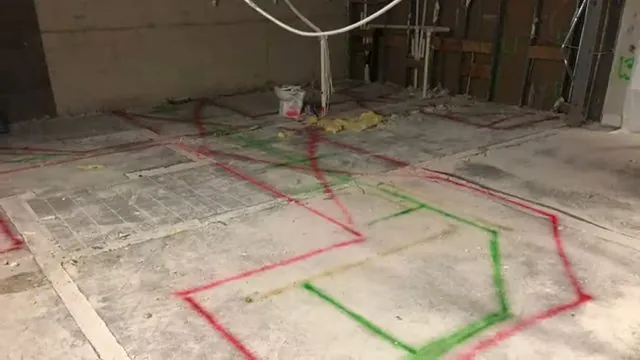
Acoustic ground microphones pick up the hiss of escaping water through the concrete. The loudest point is marked on the slab.
Cross check with a second method
Thermal imaging, a tracer gas or an electronic line locator can back up the sound. Two methods that agree are worth more than one.
Record the mark
The plumber photographs the marked spot, notes distances from the walls and writes down the test results before anything is opened.
No tool draws a perfect map. Pipe depth, pipe material and background noise all change how exact a mark can be, so ask what accuracy to expect instead of expecting a guarantee. The process is the same for a leak under a newer home or an older one, and for a driveway or patio slab as well as the house floor.
Detection finds where water is escaping. It does not tell you whether the soil under the slab has shifted or whether the foundation is sound. If you see new cracks, doors that stick or floors that slope, ask a qualified structural professional to assess the house.
Water that escapes under a slab can soften the ground that supports it, which is why foundation leaks affecting stability deserve prompt attention. A plumber's foundation leak inspection covers the water lines only. Some foundation repair companies also require a pressure test of the lines before they will warranty their work, and a failed test means the lines need attention first.
If the slab is posttension, it holds tensioned steel cables, and cutting into one is dangerous. Ask how the plumber will locate the cables before any saw touches the floor, and bring in a structural professional if there is any doubt.
Fixing a leaking slab: repair in place, reroute the line or replace it
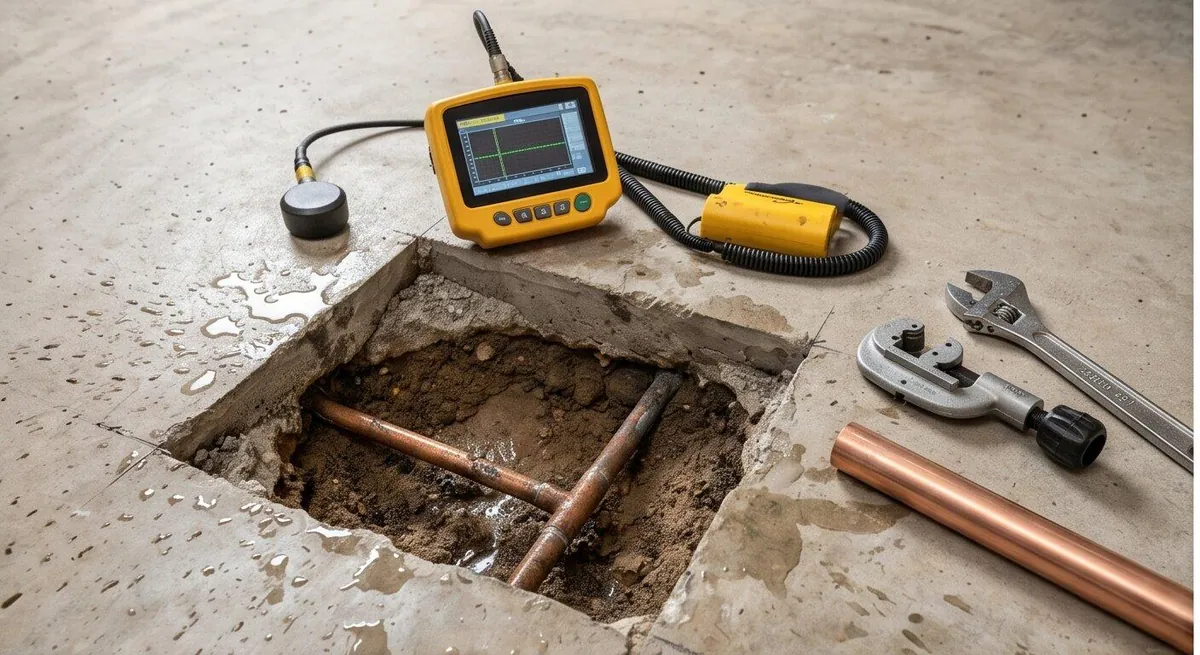
Once the break is located, the plumber has three realistic paths. Homeowners ask how to fix a leaking slab in Avondale, and the answer is that the pipe gets fixed, not the concrete. The right path depends on how many leaks the line has had, where it runs and how worn the rest of it looks.
Trenchless slab repair means tunneling in from outside the house instead of breaking through the floor, and rerouting means abandoning the slab line and running new pipe through the attic or the walls. Which one fits depends on where the break sits and how many times the line has failed.
| Option | What the plumber does | Suits when | Keep in mind |
|---|---|---|---|
| Repair in place | Opens the slab at the mark, or tunnels in from outside, and replaces the damaged section | One clear leak on an otherwise sound line | Floor finishes come up and the concrete is patched |
| Reroute | Caps the slab line and runs new pipe through walls or the attic to the same fixtures | The line is hard to reach or keeps leaking in the same area | Walls and ceilings need patching, and the new line should be pressure tested |
| Repipe | Replaces the supply lines throughout the house | Several leaks or worn pipe in many places | The largest scope, covered on the whole house repiping page |
Any Avondale concrete slab leak repair should start with a plain question for the plumber: why this option and not the others? A good answer mentions the condition of the rest of the line, the number of leaks so far and the finished surfaces that would be disturbed. If you hear a slab leak reroute proposed, ask what happens to the old line. If the line has leaked more than once, ask whether repiping now beats another patch.
Methods you may hear about
What is a tunnel repair?
The plumber digs a tunnel under the footing from outside the house, or from a small opening, to reach the pipe without breaking up the whole floor. It limits damage to finishes, but it needs room to work and a careful look at what sits under the slab.
What does a reroute involve?
A reroute abandons the leaking section under the floor and runs new pipe through the walls or attic to the same fixtures. The plumber should pressure test the new line before it is closed in.
Where does epoxy lining fit?
Lining coats the inside of an existing pipe and is used mostly on drain and sewer lines. For a pressurized supply line, ask whether the product is approved for drinking water and whether that line is in a condition to take it. A leak in a drain pipe under the slab is a different problem, because drain water runs away instead of pushing up through the floor.
A shop or office floor follows the same logic, though commercial slab leak repair usually involves the building owner or manager, so start with commercial plumbing service. If you are not sure the problem is a slab leak at all, meter-based leak testing covers the other places water hides.
When should you shut off the water and call right away?
Shut off the water and call now if water is spreading across a floor, pooling in the yard or rising through a crack, or if the meter runs fast and you cannot find the source. Find the main shutoff valve at the house before you need it, and turn it until it stops. If the valve is stuck, do not force it with tools.
With the water off, move rugs and furniture away from wet flooring and take dated photos. Say it is an active leak when you call (623) 323-3182, and ask about same day availability, which depends on the plumber's schedule.
When water reaches outlets, appliances or the breaker box, keep out of the damp room and leave the box alone. An electrician is the right call, and 911 is the call if you see sparks or smell burning. A gas odor means everyone goes outside first, and the call to 911 or the gas utility is made from there. Never cut or drill into the slab yourself.
Which utility handles the street side
The City looks after the pipes in the street, stopping at the property line. A problem on the street side goes to the City through 311, while a break past that line is the owner's to repair. Your water bill names your utility. City of Avondale Water Services covers most addresses, while Liberty Utilities handles water and sewer for some acreage in the northwest.
Sources: City of Avondale 311 article on who maintains water and sewer lines. Checked 2026-10-30.

What should the plumber document before opening the slab?
Before any concrete is cut, ask for the findings in writing. A useful record includes the meter readings, the pressure test result, the marked location with photos and measurements, and the repair path being proposed. That record protects you whether the job goes ahead, gets a second opinion or ends up in an insurance file.
- Which test confirmed the leak, and what did the second method show?
- Where exactly will the floor be opened, and how large will the opening be?
- How will the surface be patched, and who handles the flooring afterward?
- Will the line be pressure tested after the repair?
- What happens if a second leak turns up in the same line?
Insurance and slab leaks are tied together more often than people expect. Many homeowner policies treat sudden water damage differently from slow seepage over time, and the details vary by policy, so call your insurer before repairs begin. The plumber can supply the documents for slab leak insurance claims, but you file the claim, and the insurer decides coverage.
Wet drywall, carpet pad and baseboards need drying soon after the leak is stopped, and the plumber's work usually ends with the pipe. Slab leak water damage restoration is a separate trade, so plan a separate call to water damage restoration, and photograph the damage before anything is removed.
Check the license on the day you sign. In Arizona, bigger jobs and anything needing a city permit call for a licensed contractor. The Registrar of Contractors search shows whether a license is current. Ask for the license details when you call.
What a job like this costs depends on the line, the access and the method, so read how plumbing costs are explained before you compare quotes.
What are the first signs of a slab leak?
Because a break on your side of the property line is yours to repair, catching the signs early keeps the job smaller. Watch for a meter that moves with everything off, a warm patch on the floor, a trickling noise when nothing is on and damp flooring along one wall. Run the meter test first, then call a plumber if the meter keeps moving.
Does insurance cover a slab leak?
Coverage depends on your policy, so check before repairs begin. First, read the water damage section and note whether sudden and ongoing leaks are treated differently. Second, call your insurer and ask what they need to see. Third, ask the plumber for a written report with photos and test results. One caution: keep any removed pipe or flooring until the insurer says you may discard it.
Can I get a plumber the same day for a slab leak?
Sometimes, but it depends on the plumber's schedule, and nobody can promise a time. Picture coming home to a wet hallway and a meter spinning with every tap off. Shut off the main valve, move belongings off the floor and call. Saying it is an active leak helps the call get treated as urgent, and keeping the water off limits the damage while you wait.
What does a slab leak look like, and what can wait?
Most slab leaks show up as damp or warm flooring, a hiss under the floor or water seeping at the slab edge, not as a visible pipe break. Do now: run the meter test, shut off the main if water is spreading and photograph the area. Can wait: hunting for the exact spot yourself, pulling up flooring or patching anything. Those steps are better after the plumber marks the location.
Describe the leak and get a plumber routed
Call (623) 323-3182 and tell the dispatcher what the meter and the floor are doing. The call is connected to an independent plumber who can take it from there.
Call (623) 323-3182