
Home>Services>Gas Line Installation & Repair
Gas lines and gas leaksSmell gas? Leave first. Gas line repair and installation from plumbers serving Avondale, AZ
A burner smells when it is off, a pipe by the meter looks rusted, or a new range has no gas connection. Each one is a gas line problem. If you smell gas right now, leave and call 911 and your gas utility before anything else. For repair or a new line, call (623) 323-3182 and our dispatch line routes you to a plumber serving Avondale who works on gas piping. Describe the appliance and what you noticed.
now
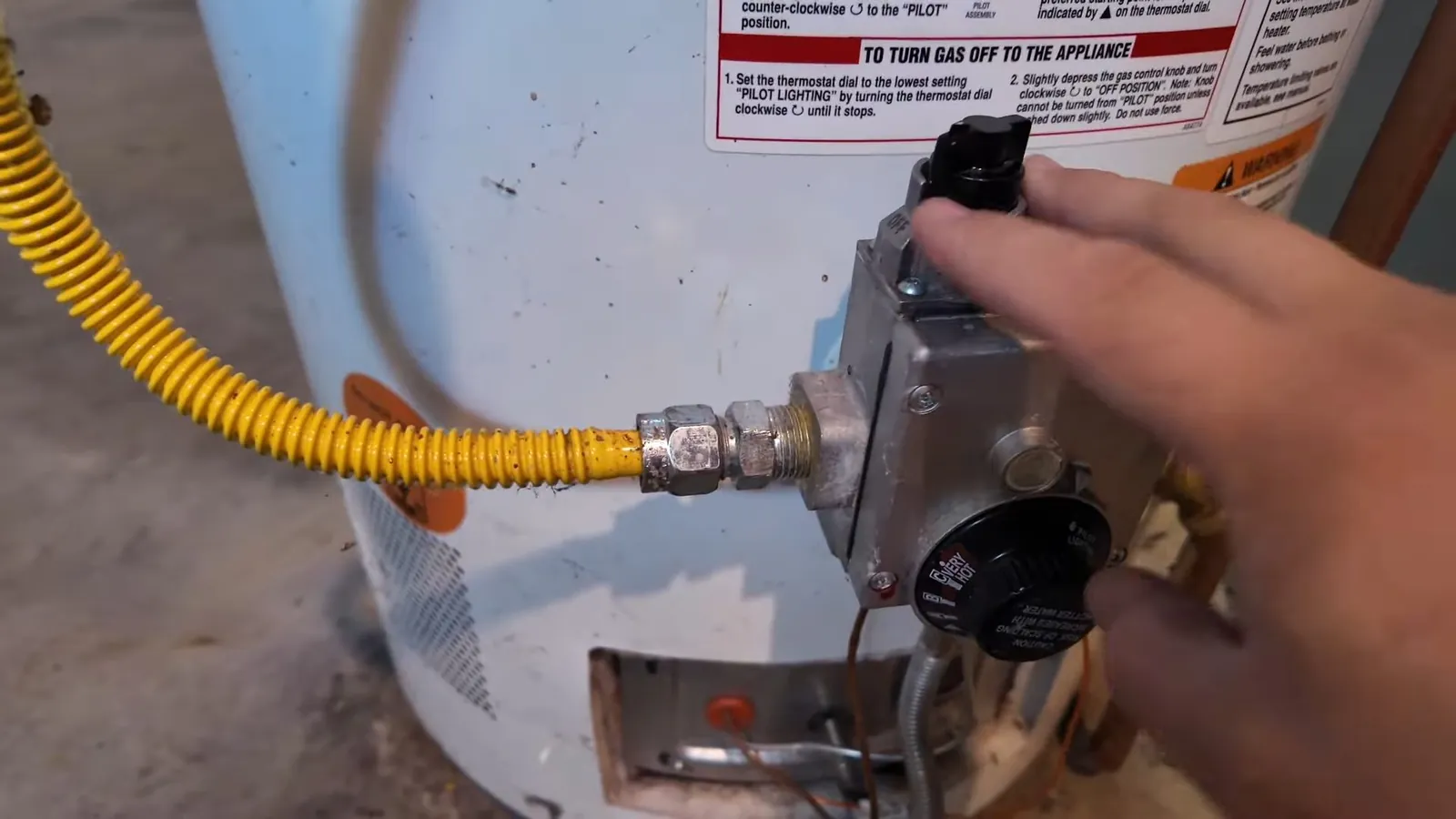
If you smell gas, leave the building first. A gas smell belongs to 911 and your gas utility, not to a plumber. Walk outside, then call both from a safe distance. The plumbing work described below begins only after responders have cleared the home.
When you call (623) 323-3182, the first questions are about the appliance, what you noticed and whether anyone has smelled gas. Those answers sort the job into a repair, a new run or a leak that has to go to 911 first. The plumbers are independent businesses, so the plumber, not the dispatch line, explains the scope of work.
This page covers fixing a damaged or leaking line, running new gas piping for a stove, dryer, fireplace, grill or generator, and testing the result. It also explains who handles the meter side of the system and who handles the house side.
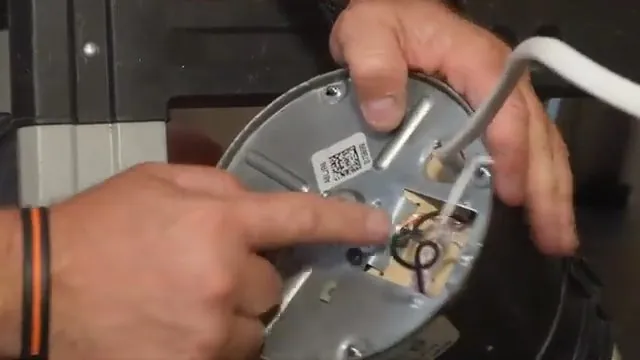
Smell gas? What should you do before you call a plumber?
A rotten egg odor, a hissing sound near a pipe or a patch of dead plants over a buried line can all be signs of a gas leak. Treat any of them as an emergency for 911 and the gas utility. A gas utility safety sheet tells everyone to leave at once and call both, customer or not. A plumber is the call you make afterward.
Gas leak detection is done with instruments, not by nose. A faint smell that comes and goes, a burner that smells while switched off, or a smell that faded before you could check still deserves a professional visit. You do not need to prove the leak before you leave.
A suspected gas leak does not need proof before you act. A rotten-egg odor, a hissing sound at a pipe or a dead patch of plants over a buried line is reason enough to move outside and make the call.
- Walk out right away and take everyone with you, pets included.
- Do not flip switches, light anything or run appliances on the way out.
- Call 911 and your gas utility once you are outside and away from the house.
- Stay outside until responders tell you the home is clear.
- Call (623) 323-3182 after that to line up a plumber for the repair.
This page cannot tell you whether a smell is dangerous, and you should not try to find out. Never tighten, patch or disconnect a gas fitting yourself. Leaving first is always the safer choice.
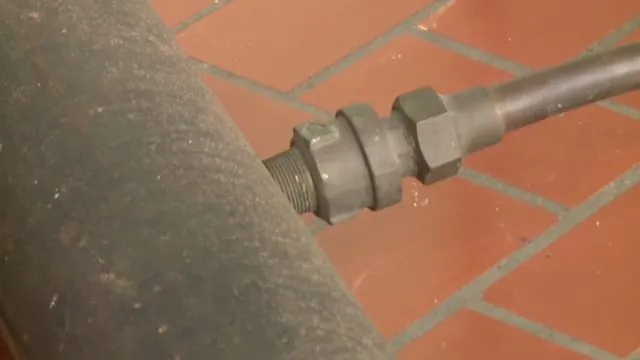
Does a rusty or leaking gas line need repair?
Gas line repair means fixing a section of pipe, a fitting or an appliance connector that no longer holds gas safely. The signs include a smell near one appliance, a hiss at a joint, flaking rust on exposed pipe, a flexible connector that looks kinked, or a flame that gutters and jumps. Visible rust alone is reason enough to ask for a look, even with no smell.
Once the area is safe and the gas is off, the plumber locates the problem with a detector, cuts out the bad section or fitting and rebuilds it with the right material. The repaired line is then pressure tested before gas returns. Gas leak detection and repair often happen on the same visit, because the detector finds the spot and the fix follows.
If the leak is active, emergency gas line repair begins only after 911 and the utility have made the home safe. Dispatch can then look for a plumber open for same-day work, though nobody can promise an arrival time.
When repair turns into replacement
Black iron is threaded steel pipe that rusts from the outside in, so a run with scaling or pitting along its length is usually replaced rather than patched. CSST is flexible corrugated stainless tubing, and a plumber checks its bonding, its supports and any kinked or crushed stretch. Gas line replacement swaps whole runs and fittings, followed by a pressure test of the new piping.
- Which material the new section will be, and why.
- Whether the whole run is changing or only the damaged part.
- Who will pressure test the work, and whether you can see the result.
- Whether other appliances on the same line will be checked.
A leaking gas water heater connection is its own job, covered under water heater problems. Pipe trouble elsewhere in the house is handled by general plumbing repair.
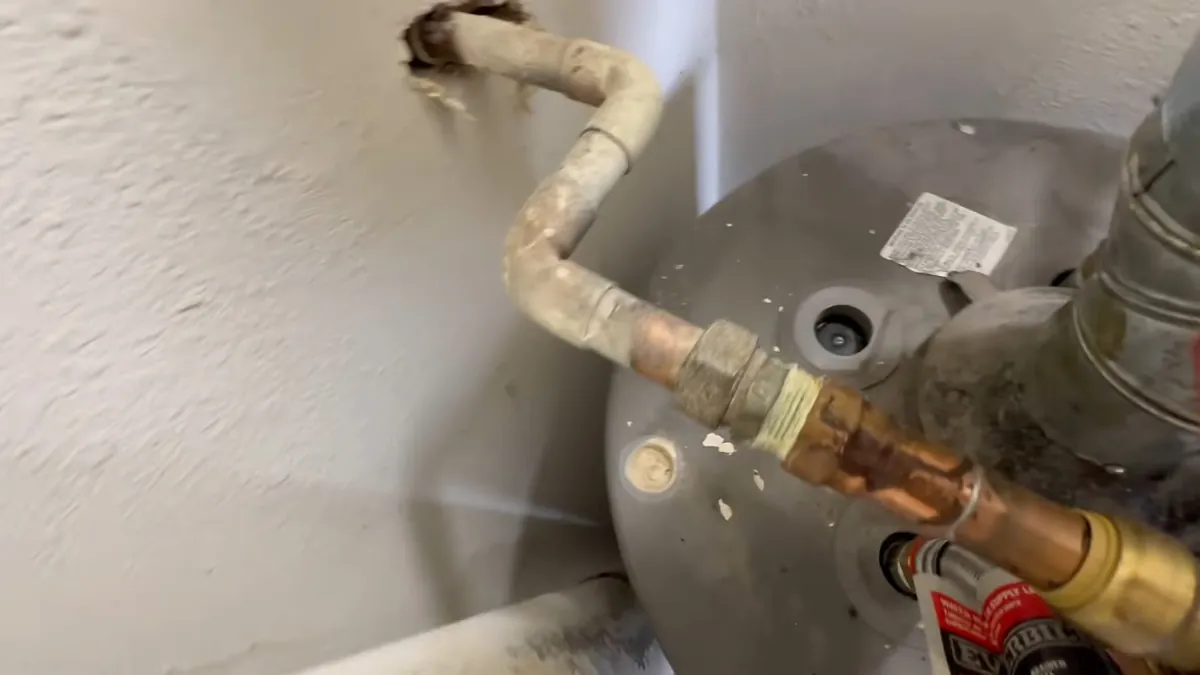
New range, dryer or grill with no gas connection yet?
Gas line installation means running a new branch from the existing house piping to the spot where an appliance will sit, then adding a shutoff valve and a proper connection. You need it when a kitchen was converted from electric, a dryer is moving to a new wall, or a patio grill has no line. A gas plumber also checks that the existing pipe can carry the added appliance.
Natural gas plumbing for appliances is pipework, so choose a plumber who handles it, and tell the dispatcher what the appliance is and where it will stand. If your home uses propane, say so on the call, since a natural gas appliance needs to be set up for propane before it is connected.
| Appliance | What the plumber checks |
|---|---|
| Range or cooktop | Whether a capped stub already exists, where the shutoff valve will sit and the connector type |
| Dryer | Whether the existing branch can carry the added load and where the line reaches the wall |
| Fireplace or insert | The valve location, the log lighter or burner type and the route through the wall |
| Outdoor grill | A short run through a wall or a buried line, which brings in digging rules |
| Generator | The size of the branch line against the generator's fuel demand |
Gas water heaters follow separate steps, described under water heater replacement and tankless heater service, and those units are not part of this table.
Secondary details for a new gas line
What should you have ready before the call?
Know the appliance make and model if you have it, which room it will go in, and whether a stub or valve is already in the wall. A photo of the spot helps the plumber judge the job before arriving.
Can a natural gas stove be changed to propane?
Sometimes, but only if the appliance is made to be converted and a plumber sets it up for that fuel. The pressure and the regulator are different, so the change is not a swap you do yourself.
Does a rental or office need anything different?
The pipework is the same, but you may need the owner or manager to approve the work first. Say who owns the property when you call.
Do you need a pressure test or a full gas line inspection?
A pressure test closes off the gas piping, holds it at a set pressure and watches a gauge to see whether the pressure drops. A gas line inspection is wider: the plumber looks at pipes, valves, connectors and appliance hookups and runs a leak detector over the joints. Pick the pressure test after a repair or a new run. Pick the inspection when you are buying a house, seeing rust, or hoping to restore gas after a shutoff.
Ask what the plumber will write down. A report can describe what was tested on the day and what was found, but it cannot promise the line stays tight forever. If a utility or a city asks for a test before service returns, ask the plumber what applies to your job rather than guessing.
| Pressure test | Inspection | |
|---|---|---|
| What it checks | Whether the closed line holds pressure | Pipes, valves, connectors and hookups, joint by joint |
| Good moment for it | After a repair, a replacement or a new branch | Before a purchase, after a shutoff or when rust shows |
| What you get | A pass or a drop, with a place to look next | A list of findings the plumber can explain |
Meter side or house side: who handles which part?
Gas systems usually have a dividing point at the meter. The line leading up to it generally belongs to the gas utility, and the piping after it generally belongs to the homeowner. A leak on the utility side goes to the utility, while a leak in pipes, valves or hookups inside and around the house is plumber work.
You may not know which side a problem is on, and you do not have to. If gas is involved, 911 and the utility come first. When a plumber is needed, say which appliance or pipe you noticed and let the plumber and the utility confirm where the line changes hands.
Unsure whether a rusted pipe is yours? Tell the plumber exactly where it sits relative to the meter. That one detail decides who should be called.
Call 811 before any trench or bore
Before a crew trenches, bores or drills, Arizona 811 has to get a call. Locators are given two full working days to respond, and what they mark stays valid for 15 working days. Ask the plumber whether 811 has been called before any buried gas run for a grill, a generator or a detached building.
Sources: Call before you dig, AZ 811. Checked 2026-10-30.
How do you check a gas plumber before work starts?
Larger jobs, and any work that needs a municipal permit, must go to a licensed contractor in Arizona. A license can lapse, so look up its status on the day you sign. Ask the dispatcher for the license details of the plumber being sent. Dispatch is a referral line and the plumber is an independent business.
Look up the license
The state search shows if a license is active. It takes a few minutes, and it is worth repeating if a different plumber arrives than the one you were told about.
Sources: State contractor license search (ROC). Checked 2026-10-30.
Confirm the scope
Ask the plumber to describe in plain words which pipe, fitting or appliance connection will change.
Ask about permits
Ask whether the job needs a permit and who will handle it.
Ask about testing
Ask which test will be run before the gas is turned back on, and what happens if it fails.
Keep the paperwork
Keep the written scope and any test notes with your home records.
For wider questions about how dispatch works, see the common questions page.
For what shapes the cost of gas work, see the cost guide.
Who installs a gas line for a new stove?
If you see a capped pipe stub where the range will sit, the job is a connection, and if you see no stub, it is a new run. Either way, a plumber who works on gas piping does it. The plumber sets the shutoff valve, makes the connection and tests the joint before the gas is turned on. Tell dispatch what you see so the right plumber is sent.
Should I book a pressure test or an inspection?
Choose the pressure test when a line was just repaired, replaced or extended, because it shows whether the closed piping holds. Choose the inspection when you are buying a home, reconnecting after a shutoff or worried about old pipe, since it looks at every joint, valve and connector. Many jobs use both, and the plumber can tell you which result matters for your situation.
Who can connect a gas stove to a line that is already there?
A plumber who handles gas piping can make that connection. Ask the plumber to check the shutoff valve and test the joint for leaks before leaving, since a moved or replaced stove is a common place for a slow leak. If the stove is meant for propane, mention that first, because the appliance has to be set up for the fuel.
What if I smell gas and need the work done today?
A gas utility safety sheet says to leave immediately and call 911 and the utility, whether or not you are a customer. Do that first from outside the home. After responders clear it, call [[call]] and say you need an urgent repair. Dispatch looks for a plumber who can come the same day, though no arrival time can be promised.
Need a plumber for a gas line?
If you smell gas, leave and call 911 first. Once the home is safe, call (623) 323-3182 and dispatch will connect you with a plumber who serves Avondale.
Call (623) 323-3182